
Tenacious ME
Tackling disabling autoimmune disease with obstinance and humor.
Lessons from Homeschooling with Chronic Illness

As the country turns to a home-based education, it seems like a good time to share what homeschooling has taught me this year. We embarked on our homeschool journey last September. Since then we have both discovered a great deal about learning, cooperation, and ourselves.
Making the decision to homeschool was not something I considered lightly. Before taking the plunge, I turned it over for years, debating with myself if a classroom education, with all the social benefits and resources I didn’t have access to at home, was worth the stress it was obviously putting on my non-conformist youngest child. I told myself he would eventually adapt and learn to sit and learn, to do the work for the sake of getting the work done, to trudge through the monotony of it all. I told myself that for 5 years. Five years during which my son learned that he was different, less than, unable, unfit, and an outsider. All of which is untrue, well except different, he certainly is that!
Last year I began to see the toll it was taking on him. His frustration with school was being internalized. He didn’t fit the mold and he felt like the problem was him. As someone who has often toyed with a career in education and spent a good deal of time in that realm, someone who is not an educator because she can’t play in that broken system, I knew quite well the problem was not him. The problem was the box they were trying to shove him into. The problem is this kid doesn’t fit in that box, like so many others. The problem, at the end of the day, was that they were attempting to change the kid instead of giving him a better box for who he is.
My youngest kid is stifled by paperwork and monotony. As I often told his teachers, this child is not going to grow up to be an office worker, he isn’t built for such things. He craves novelty and information; he carries a curiosity and imagination that demand to be fed. Curiosity wants nothing to do with a workbook. Curiosity wants to explore, to do, to try, to learn. And imagination, well imagination is like a puppy, give it the attention it demands or try to ignore it while it nips, nibbles and bumps you. School wasn’t feeding either of those aspects of my son, and they honestly are a huge part of who he is. In fact, if you asked for two words to describe his personality, those are the words I would choose, curious and imaginative.
Imagination is like a puppy, give it the attention it demands or try to ignore it while it nips, nibbles and bumps you.
So, I watched as struggling lead to hopelessness and low self-esteem. I listened to the ever-increasing list of negative beliefs my son was building around him. My heart broke as he told us he was “stupid”, “Bad at math”, “weird”, “friendless”, the list continued to grow as I watched my child sink into depression. Then one day he uttered the words that sealed the deal. My 10-year-old told me he wanted to die. Life had grown too heavy, constantly buried in work, missing recess for years on end, he was not thriving in public school, and it had become so heavy, he was seeking the ultimate out. I knew immediately what I had to do, whether I could handle it or not. I had to throw him a lifeline, literally. Suddenly a difficult decision seemed not that hard at all. Even if I didn’t know how I would manage it physically.

So, I started looking into what homeschooling looks like, began gathering resources, and soon gave my son the news, this was his last year of public school. In the fall we would begin homeschooling. He was relieved and excited. The promise that this was the end of the struggle helped him get through the last month and a half of school. He finished the year with honors. Because you see that child who was learning he was stupid, was not dumb at all. Five years of struggle, five years of good report cards. Proof enough for us that the problem was not the kid. The kid was smart, the system was going to drown him anyway. So, the lifeline was tossed, and we began our new life in September.
I’d be lying if I said it was all smooth sailing. As many of you have discovered, transitioning to schooling at home is not easy! You aren’t used to formal teaching, they aren’t used to you being the teacher. Kids must test any new dynamic, repeatedly, until they are really sure it can’t be broken, like really, really sure if they are stubborn like my youngest son! I spent three months constructing a learning plan, making a daily schedule, gathering worksheets, books, websites, and lesson plans. Within the first two weeks of school I would throw most of that right out the window.

Daily schedule? Yeah, no thanks, that was not working for either of us. The schedule was making failures of us both. Worksheets? Unless its amazingly fun, my child would rather stare at the wall all day. Something I knew but ignored at first. He quickly reminded me; I’ll never forget the body language the first time I handed him a worksheet. Like a balloon someone had just let the air out of, he flopped into his chair, defeated. Luckily, there is no reason workbooks need to be part of a homeschool education. I began to tweak the plan, I kept the bones, the master list of what he is expected to learn in grade 6, and reinvented our schedule as needed. Slowly, he settled into the routine of home-based learning, as I adapted to having someone home all the time.
Over the next few months, both of us slowly transformed. He began to be more like his old self, quick to joke, full of ideas, happy, friendly. I watched his confidence grow and listened as he discovered he was amazing at fractions, history, and science. We moved away from the daily tackling of all the subjects and into a block schedule, tackling two to three subjects a day, but giving them more time, allowing for the deep dives my son prefers to take into a subject.
I learned that the chronic disease I thought may hinder my ability to teach, had actually prepared me for this journey in surprising ways. RA has taught me to be adaptable, to be patient, to accept the days I can’t, and go for it on the days I can. Bringing all of that to homeschooling, has worked brilliantly for us. I’ve also learned to be gentler with myself on bad days. Rather than push through because we are “in school”, I’ve realized I can take a down day still. My sweet student is more than happy to read and write and let me take the nap I need to get through on the hardest days. For the first winter in years, depression didn’t eat me up. Not rattling around alone all day, has kept me focused and feeling useful. Providing a physical education for him, means more exercise for me too. In fact, he’s the one most likely to instigate our walks. A push I often need as walking is not my body’s favorite exercise. Feeding a growing boy who is capable of helping create meals, means we both eat better. The transition has been bigger than I had imagined, for both of us.
As we approach the end of our first homeschool year, my son is confident and happy. He’s blossomed into a voracious reader. He absolutely loves creative writing and spends as much time on his stories as I will allow, often picking them back up long after I’ve declared our daily schooling “over”. That is perhaps the most beautiful thing about homeschooling, the learning never stops. Now that teaching and learning have been woven into the fabric of our lives, any moment may be a teaching moment.
He no longer fills his time with as much screen time as I will allow. In fact, I rarely need to tell him that is enough video game time. He chooses more enriching activities now, because we have chosen to weave his learning into the things he loves. We use books, games, and interactive websites. We build, make, and create. We ask questions, suggest solutions and seek the answers. All day, every day. In a way, our homeschooling schedule is 24-7, 365.
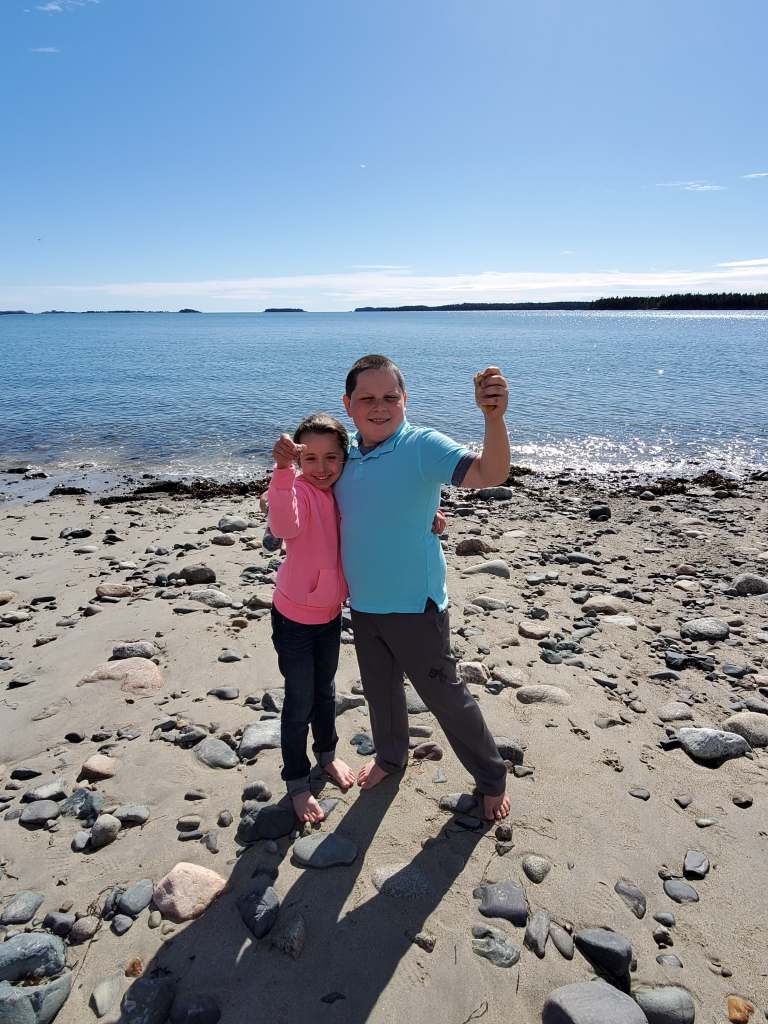
Other than history, which we’ve decided to work through chronologically because “the way school jumps around is stupid and confusing” (his words), we are wrapping up that list of things 6th graders “need to know” ahead of schedule. For a kid who was chronically behind for 5 years? That in itself is some sort of miracle. When I add in all the books he’s had time to read, all the words he’s written for fun, and the learning games and projects we’ve done outside of school, it is really quite amazing. Seeing how much he has grown this year, I know we made the right choice for him. Seeing the ways it has changed my life, I can say it was also a wonderful choice for me.
Like what you read? Show me some love, give it a like, share with a friend.

Advocating for health
Are you an advocate for health? If you have been diagnosed with a chronic condition, or you are suffering from an undiagnosed mystery illness, you are going to need to be. The fact is, no one cares about how badly you are doing or solving your medical mysteries as much as you do. That is not to say there won’t be people who are concerned, possibly even including your doctor, but none of them are in the position to fight for your health like you are. They are not in your body, they don’t know how it is behaving, or misbehaving. As a result, they won’t know what to do to help you. The only way they will find out is if you learn to effectively advocate for your own health and healing.
The first step to advocating for a chronic health condition is going to be stop ignoring symptoms. Chronic diseases come with chronic symptoms. Incredibly adaptable as we are, we truly can get used to just about anything. And chances are, if you’ve learned to live with it, you aren’t going to remember to mention it to your doctor. So, step one is stop ignoring your body. Listen to its complaints, notice the ways it doesn’t feel good, the ways you have changed your approach to activities because your body won’t do it the “normal” way anymore. Every little adaptation you have made will need to be examined.
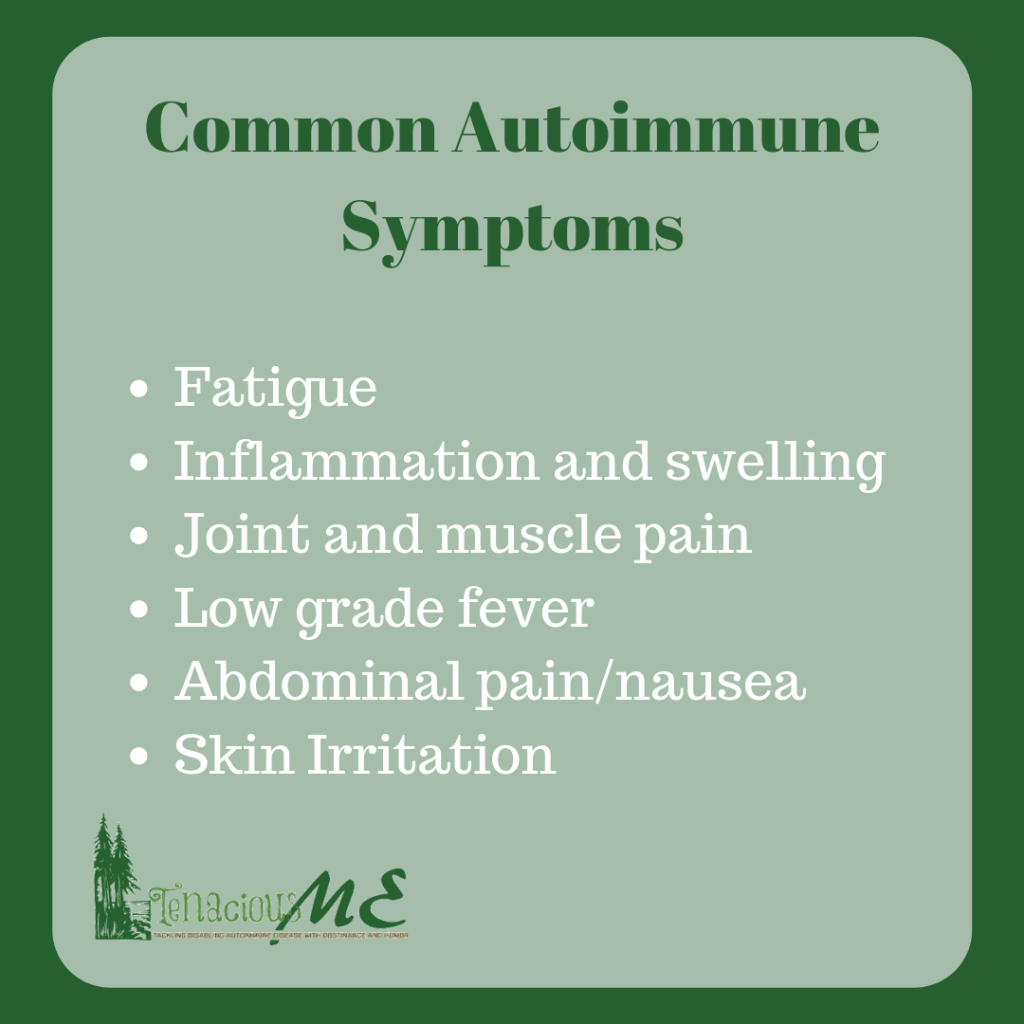
The best way to get a good, clear picture of what is happening in your body is to keep a symptom journal. This can be as simple as a notebook, an app, or this printable symptom journal. Record your sleep patterns, pain level and location, and any other symptoms that come up. Track your mood and how rested you feel. Sleep that doesn’t leave you feeling rested can be a big clue for a medical professional. Recording your daily symptoms will allow you to find trends, to identify the things that are the most frequent, but also to catch the small things that are frequent but not constant. Before you meet with your doctor, take the time to go through that journal and jot down all the frequent symptoms and issues you have recorded, along with anything out of the ordinary. You may have a long list, that is okay, this is detective work, the more clues you can give the doctor, the better.
That said, be prepared for irritation when you bring a long list of issues, and don’t be afraid to let that be your cue to move on. If the doctor that you are seeing now does not seem to have the time for your issues, and brushes off your symptoms, get a new doctor. If your doctor will not order testing to rule out causes of your symptoms, get a new doctor. If they tell you it is all in your head, or suggest it is only depression, get a new doctor. You know your body. This can’t be stressed enough. If you know something is wrong, it is. You do not have to suffer in silence. Doctors are there to help you, if they aren’t find one that is. Having a doctor who hears you, orders testing to confirm or rule out diagnosis, and tries to help solve your medical mysteries will make all the difference in the success of your outcome. Lazy medicine will never get you where you need to be.
You do not have to suffer in silence.
When you find a doctor you feel you can trust to help you on this journey, the next and maybe most important step of all to effective health advocacy comes into play, Be Honest. Completely, entirely, candidly honest. If they are going to help you, they need the entire picture. Even the embarrassing and disgusting bits, sometimes especially the embarrassing and disgusting bits. Remember, you do not know which symptoms might be the key, the flag that says, hey check for this. So, share them all. Better to have an uncomfortable conversation than to suffer.
Speaking of suffering in silence, part of advocating for yourself with chronic disease that we haven’t touched on yet, being honest with your loved ones, workplace, and anyone who has expectations about your abilities. If they are accustomed to you doing things for them or with them, give them the courtesy of being honest about any limits you’re finding you need to honor. Don’t just suck it up and push through in silence. I did this for so many years. Years in which I could have had help and understanding. Suffering in silence also leads to misunderstanding and hurt feelings. After all, if they don’t know you are battling fatigue, or your knees have been killing you for weeks, canceling that plan to hike or that night out might feel personal. Be honest about your health struggles. Not a broken record, but honest. They won’t see your pain or the limits it creates for you if you don’t point them out. So, speak up.
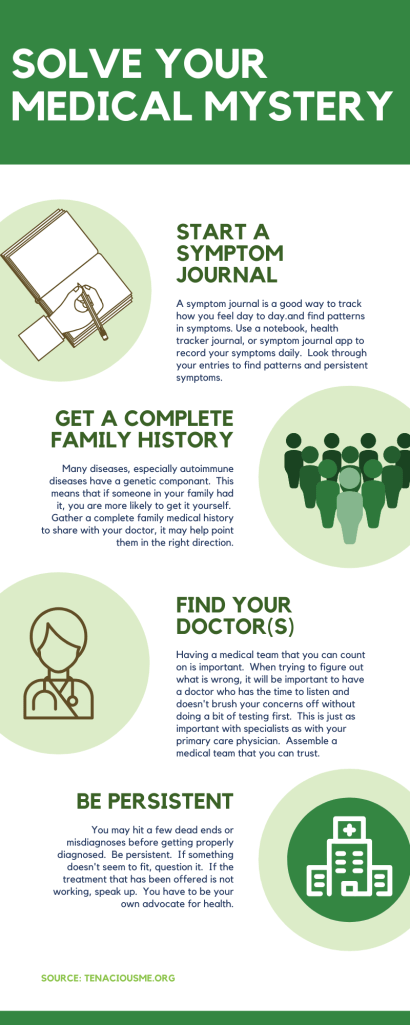
Back at the doctor’s office, you’ve got a doctor you can trust, they help you identify the causes, advocacy done right? Wrong! If the disease is chronic, you will never be done advocating for what you need. Sorry, but that is the truth, buckle in, you’re in this for the long haul, and you are going to have to be at the wheel. No riding shotgun staring out the window while the doctor does all the work. For one thing, that won’t work, without good feedback from you, your doctor cannot know how well prescribed treatments are working.
Remember that symptom journal? Keep writing in it! Add tracking medications, side effects, activities that help, any exercises or other nonprescription remedies you are using. If you find that something is not working, or it is causing another problem, discuss it with your doctor. Rarely are treatments one size fits all. What works for some might not work for you, and in most cases, there are going to be many options for treatment. Through trial and error, if you speak up and are honest about effectiveness, you can find the one that works for you. If you don’t self-advocate, you may cause more health issues while suffering, for no reason. You won’t know if another option might be better for you unless you try. So, speak up, be honest, and ask for what you need.
How are you going to know what you need? Unless your doctor is above and beyond the norm, waiting for them to give you the magical treatment option might not work out. It’s time to consider the last important aspect of self-advocacy, education. Once you have a diagnosis, it’s going to be your job to become an expert on it. Even if you have a specialist handing your disease. The more you know, the better prepared you will be. Being prepared means you will be more likely to ask the right questions and discuss the things that particular doctor can assist you with. It can also help you to root out other hidden medical issues. If you have a symptom you thought was your chronic disease, but none of the literature mentions it, it may well be something else happening.
Researching your condition may also allow you to identify management strategies you are not likely to hear from your specialist. Many doctors tend to lean heavily on pharmaceutical or surgical interventions when lifestyle changes could be just as effective. Even when the best treatment is medication, there are often many other things you can be doing to help manage symptoms and reduce disease activity. Things you may never hear about if you stick to only doing what your doctor comes up with. Working as a part of the team, gives you better odds of success.
If you listen to your body, educate yourself about your condition(s), and develop an honest partnership with a good medical team, chronic illness is much more manageable. Keeping a symptom journal, paying attention to how treatments are working, and speaking up when they are not, will make you an effective advocate for health. Self-advocacy leads to healing! Don’t wait, Self-advocate!
Like what you read? Show me some love, give it a like, share with a friend.

Newly Diagnosed? What you need to know about Rheumatoid Arthritis

If you’re reading this, you’ve probably recently been told you have Rheumatoid Arthritis. If you’ve just joined the millions of people in the world with RA you probably have a lot of questions. I know I certainly did. If you’re anything like me, you’ve already done a google search and seen some alarming statistics and depressing photos of the damage RA does. The first thing I want you to know is, that doesn’t have to be you. Take a deep breath and repeat after me, I can do this, I can get RA under control. While RA certainly is a serious disease that will do damage if not kept in check, it is also, in most cases, manageable. And when it isn’t, well, medicine has many answers, up to and including installing new body parts if necessary, but I’m getting ahead of myself. Let’s start at the beginning. What exactly is RA?
Rheumatoid arthritis is an inflammatory autoimmune disease. It is both systemic and chronic. This means it is able to attack throughout the body, and it is here for life. Not good news. Don’t panic, we’re going to get the bad news out of the way first. So, more bad news, it can and will cripple you if not taken seriously. Attacking any joint it pleases, RA is best known for deforming hands and feet, but is certainly not limited to those joints. Knees, hips, elbows and shoulders are also common problem areas for folks with active RA. Not limited to attacking joints, the inflammation generated by disease activity is able to spread throughout the body impacting tendons, eyes, lungs, heart and other organs. Lung or heart involvement can be fatal. Making managing the disease extremely important. I can’t really stress this point enough, take RA seriously. It is every bit as serious as Cancer, left untreated it is every bit as deadly. So, how are you going to manage this potentially deadly, debilitating disease?
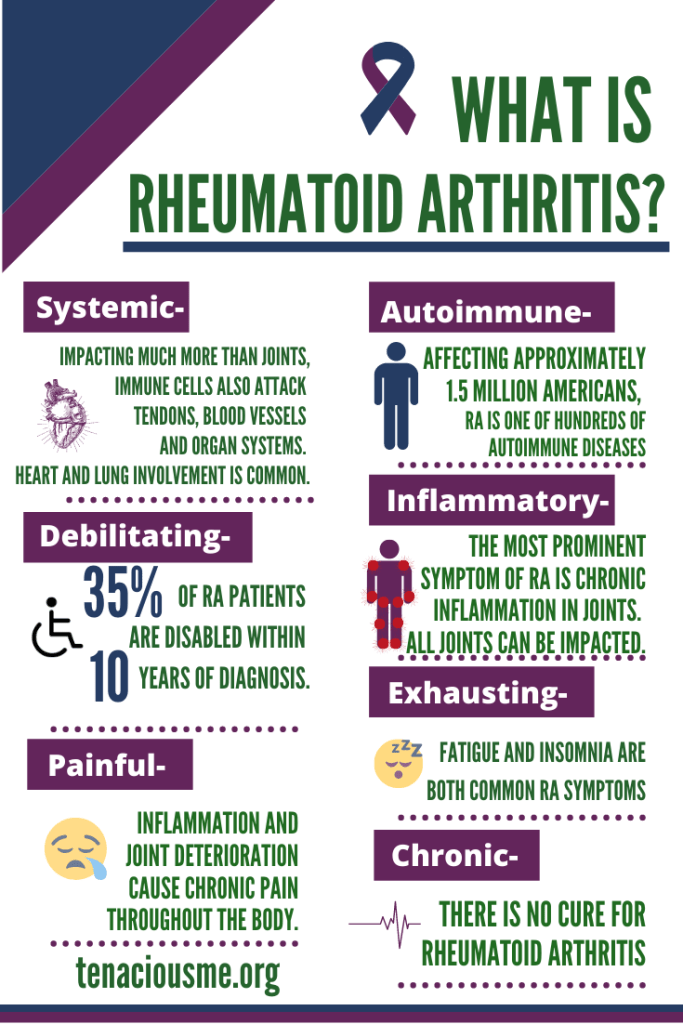
The first step, is to start to assemble your medical team. This will grow over the years based on your individual needs and areas of involvement (RA does not affect any two patients in exactly the same way.) To start you will need a primary care physician (PCP) who you feel very comfortable with and trust a great deal, they will be helping you manage your wellness, get needed care, and hopefully catching any balls the rest of the team might drop. Next up is a good rheumatologist. This one might take some time, sadly there are a lot of cruddy ones out there. Finding the right rheumy for you may take a few tries, keep looking, it is worth it. The final member of the starting lineup for your healthcare team for now is some sort of mobility specialist, someone who knows about how bodies move and function. This might be a personal trainer, occupational therapist, or perhaps even a massage therapist. RA will challenge your mobility; you will need someone who you can trust to help you keep things moving.
Now that you have the beginnings of a healthcare team lined up, its time to think about the ways you are going to fight this. There really are a lot of options. Medications, diet, exercise, lifestyle changes, there are many ways in which people get disease activity under control. The approach you choose to take is up to you. Just be sure, whatever option you choose you really stick with it and follow it through. There are many people who control rheumatoid arthritis with diet and exercise, but that can’t be done if you’re half assed about it. Managing rheumatoid arthritis naturally may work for some people, but it is a serious commitment. This is also true for the medications; you can’t take them some of the time and expect to slow disease activity. RA is all in, you need to go all in too if you want to win the battle, and you definitely want to win this battle!
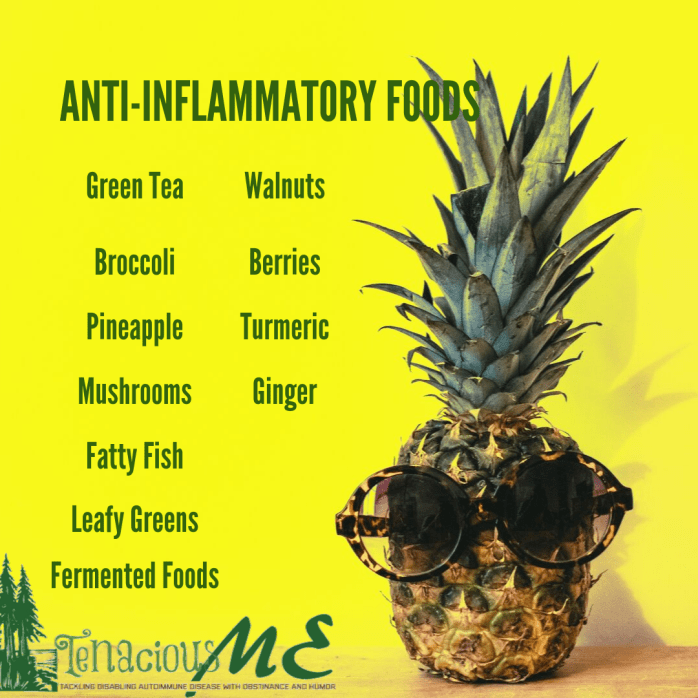
Whether you choose a traditional medical route or a more natural holistic route to managing your RA, I recommend everyone pay special attention to the foods you’re putting in your body. No matter what approach you’re taking, sugar is inflammatory. In fact, many foods are inflammatory. Successfully controlling the inflammation in your body due to RA, will definitely be helped by limiting the number of inflammatory substances you consume. Essentially RA is a house fire, don’t pour gas on it. Likewise, no matter the approach, there are anti-inflammatory foods and substances you can consume to help put out the fire. To learn more about diet, inflammation, and the foods that feed and quench inflammation check our page on diet and autoimmune disease. It includes many helpful links to diets people with RA have found helpful.

Another very important aspect of managing rheumatoid Arthritis is movement. You’re going to need to develop an exercise program. One of the big challenges of life with RA will be finding the balance between movement and rest. Developing strong muscles and moving joints daily by engaging in low impact exercises can go a long way toward protecting your mobility. With the guidance of your doctor and a certified trainer or physical therapist, you can you can come up with a series of exercises that are appropriate for whatever mobility challenges you may already be facing, and routines that promote fitness while protecting joint health. Be gentle with yourself, and take it especially easy on swollen, inflamed joints, but do not stop moving them. Like the tin man, if you are still too long, they will freeze up, unlike the tin man, you don’t have an oil can to get them moving again.
Next up, you need to think about your lifestyle and consider making some changes. You’ve already noticed RA challenges the way you normally live, now it’s time to consider how changing the way you live can help reduce the symptoms of RA. The first thing to consider is stress. If you live a life filled with stress, an overfull schedule, and little downtime to decompress, RA will claim you quickly. One of the things everyone seems to agree about is Stress feeds RA, it causes it to be more active. If there are sources of stress you can cut out, do. You also need to make time to do things to reduce your stress.
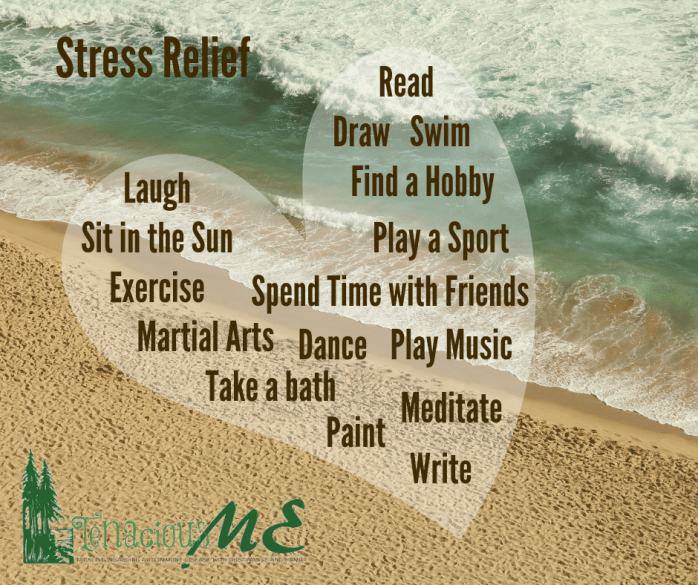
Speaking of sources of stress, lets talk about work. This is a hard one, and you very well may not like what I am going to tell you. If your job demands a lot of repetitive movement, hours of sitting or standing at a time, or long hours, you need to consider making a change. The fact is, the more you use those hands to type, or that shoulder to pull that lever 1000 times a day, the fewer years that body part will work. We are much more susceptible to wear and tear injuries than people without RA. Repetitive and high impact movements will cause bone deterioration. Holding the same position for hours, whether that is sitting, standing or holding a pen, will cause joints to stiffen and freeze up. Consider making a change in the way you work or the job you do. Talk to your employer about ways to modify the work you do. Share your limits, it may help you continue to work longer. Because it is a disabling condition, the ADA (Americans with Disabilities Act) requires employers to make necessary adaptations wherever possible.
Also consider reducing the number of hours that you work to allow more time for rest and recovery. Time to rest is another extremely important aspect of your lifestyle you need to examine. Living a good life with RA requires balance. Work must be balanced with rest; rest must be balanced with movement. Making the time to take breaks throughout the day and being sure to give yourself enough time to rest at night are both keys to managing RA well.
Speaking of resting at night, let’s talk sleep. Sleep is not an easy thing to manage. The fact is having RA or any autoimmune condition means you need more sleep, the other fact is, RA symptoms make sleep hard to get. This is part of the reason building rest and recovery time into your life is important. Don’t be afraid to nap when you can. It is healing for you to nap. Make sure there is time in your schedule to at least try to get enough sleep at night. This is no time to attempt burning the candle at both ends. Remember, your house is on fire, lets not add flames.

The last, but probably most important thing for you to know about life with RA is that you need to be your own advocate. Across the board. In all aspects of life. You need to learn to speak up for yourself, to ask for help, to tell people that you are struggling. This goes for your medical team, your family, friends, co-workers, and employer. This is not the time to go with the flow and keep quiet, pushing through the pain. It’s time to ask for what you need. If you need help, ask for it. If picking things up off the floor takes everything you’ve got, ask someone else to do it. If you are struggling with pain, fatigue, brain fog and other symptoms, or side effects from medications, talk to you doctor. Don’t suffer in silence. If it is hurting you, it is safe to assume damage is being done. While we can get a great deal of damage fixed, with surgery, therapy, time, money and help, we can also prevent a lot of that by being a good advocate.
Speaking up about your limits at work can result in changes in the way the work is done that lead to extra years of being able to work. Anytime you hesitate to ask for help, I want you to look at the body part(s) you are protecting by requesting the assist. Do you like to use your hands? Do you want to use them longer? Then ask for that speech to text software, keep the job you love (with the great insurance you are about to love more than you could ever imagine) and enjoy the extra years of mobile hands.

With a competent medical team, determination, balance, rest, movement, and a whole lot of self-advocacy, you can live a great life with RA. It will take patience and time to get there. Sometimes it won’t seem like you ever will. But a life with controlled Rheumatoid Arthritis is beautiful. Knowing that you fought for it, makes it even more spectacular.
Like what you read? Show me some love, give it a like, share with a friend.

Staying Calm in an anxious world
Well, there is no doubt about it, the level of anxiety and fear in the world today is the highest it has been in decades. Not since 911 have I seen this level of uncertainty in fellow Americans. With restrictions and measures to control the spread of COVID-19 changing day by day, the unease many of us feel continues to grow. Whether that fear be of the germs spreading or the reaction to this pandemic, anxiety is now at an all time high. Uncertainty over the future of our food security, job security, and economic future weigh heavily on many along with fear for the health and safety of those we hold dear.
In times like these it is important to find ways to calm the anxiety and fear. An anxious, fearful mind is not a well-functioning mind. Studies have proven that fear and anxiety lower cognitive function and problem-solving skills. In a world where both could really make the difference between making it and not, managing those feelings becomes very important. We’re in the wilderness now, folks, time to refocus and watch for that lion, lest we become its next meal. Luckily, there are a lot of things we can do to calm the anxiety and fear so we can focus on what is happening here and now.
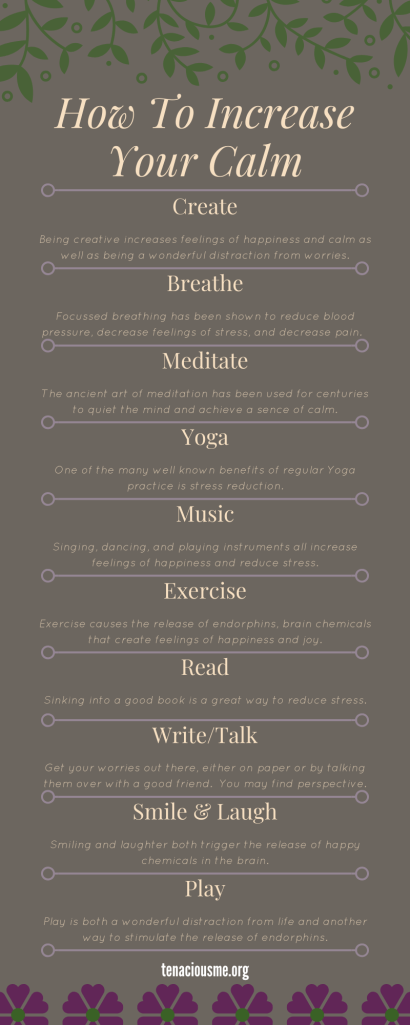
Disconnect
In these rather special and unique circumstances, the very first step we need to take to get the anxiety and fear under wraps is taking a big step back from the 24-hour news stream. If you’ve been watching this disaster unfold all day everyday on the news and social media sites, shut it off, set it down, and walk away! You did good to hang in this long, you deserve a break from your vigil. Because you don’t want to be unaware if the situation changes, choose a time once, or twice a day to check in with ONE news source. Just for the updates, just for the facts. Please don’t choose Facebook as that news source! Whatever newspaper, television newscast, or web-based news source you prefer, skimming it once a day will keep you informed without being constantly overwhelmed. If you are a frequent social media scroll-er, scroll on by the pandemic pandemonium and focus on those cute kid pics, the endless amazing free virtual experiences being offered everywhere at the moment, or pop into my new favorite group Quarantine Karaoke (created by a fellow Mainer 😊 because we know how to get through tough times!) for some music and entertainment. Unplugging from the news will help you put your focus on more positive things. Something that is really important if you are trying to manage anxiety right now.

Breath
It is a well-known fact that controlling our breathing can help us through many things. Breathing through pain, the Lamaze method, has long been used during labor. Many women, yours truly included, have continued to use this well-known breathing method to control other types of pain. But, did you know there are many other breathing methods? It turns out there are methods of breathing for increased lung capacity, endurance, pain, sleep, stress reduction and so much more. The simplest, and probably best-known method of breathing for stress relief is deep breathing. Another popular method that I have been using is the 4-7-8 method, a method that has been specifically identified as a great stress reduction and focus technique. Simply breath in for 4 seconds, hold it for 7 seconds, and exhale for 8 seconds, repeat 2-4 times, you may be surprised how much better you feel. The best thing about this anxiety management tool is you can do it anytime, anywhere, and it takes less than one minute.
Meditate
Since breathing and meditation go together like bread and butter, let’s talk about this ancient method for stress reduction and re-centering next. Used in India for thousands of years, meditation has been gaining popularity in western culture over the past few decades. Chances are, if you suffer from anxiety regularly, someone has suggested you try meditation. There is no doubt that this ancient technique, which involves focusing on our breath and going within, is an excellent way to re-center and regroup. If you’ve tried and failed, welcome to the club, like all things worth doing, meditation takes practice. There are a huge number of free guided meditations available online and even apps for that.
Yoga
Another gift from ancient India, yoga is a popular and well-known form of exercise in many areas of the world today. With a focus on stretching and strengthening many have turned to this ancient exercise to maintain strength and flexibility, but did you know it also reduces stress? Many of the poses, breathing methods and exercises commonly used across the varied forms of yoga are also excellent anxiety management tools. So, pop on over to YouTube, or dust that yoga workout video off and give it a shot. It is also a great way to get kids calm and centered, so invite the whole family to join you for some morning yoga to get that day at home off to a great start.
Take a walk
Not only is walking great exercise it is also a wonderful way to reduce your stress level. Taking a walk alone or with your family each day is a great way to promote the release of endorphins and decrease feelings of stress. If you are able to walk in a natural setting, that walk will be even more beneficial to your state of wellbeing. In some cultures, regular emersion in nature is even prescribed by medical professionals to help balance the stress of busy lifestyles. The Japanese call it forest bathing. Whether you choose to walk around the block or wander through the woods nearby, taking a walk daily will help improve your mood and, as a bonus, provide you with fresh air and sunshine, both of which help keep us healthier and more resistant to germs.
Exercise
It is no secret that exercise is a wonderful tool for stress management. If walking and yoga are not your thing, choose something that fits you better. Spending a bit of time focusing on moving your body, working up a sweat, and releasing those endorphins (happy chemicals) will leave you feeling better. So take that run, dig out those exercise videos, sign up for that virtual kickboxing class, and treat your body to some happy chemicals courtesy of biology.
Spend time in nature
If walking in nature is not for you, or you have mobility limits that make that a challenge, find ways to get out and immerse yourself in nature. Take a ride to the shore and watch the waves come in, grab a portable chair and sit at the edge of a field or woods and just watch for a bit. The less active we are, the more active our animal neighbors tend to be. Use this time to animal watch, learn to identify birds in your backyard, or just sit and take it all in. Take some time to close your eyes and listen to the rhythm of the world around you. The natural world is full of life we cannot hear when we are whizzing by with our heads full of worries and lives full of plans. Taking some time to just be in nature is a sure-fire way to reduce the stress you are feeling.
Music
As the Doobie Brothers song says, “give me the beat boys and free my soul, I wanna get lost in your rock and roll and drift away.” Music is a powerful tool, the right song can make us cry, pump us up, get us moving, and even soothe our soul. Playing uplifting music is a great way to decrease feelings of anxiety and drown out the fears of the world. If you also enjoy dancing, crank up those tunes and start a family dance party! Personal favorites when I need a lift are the Red Hot Chili Peppers, Michael Franti and Spearhead, and Queen, all guaranteed to transport me to my happy place, no matter where I am. Whatever music makes you happy, crank it up, don’t hesitate to belt it out, and dance till you feel nothing but joy!
Sink into a great book
Any bookworm will tell you the hands down best way to forget your troubles and the world around you is to delve into the pages of a great book. One of my personal favorite methods of stress relief and a constant in my life is reading. Whether you love fiction, poetry, biographies, or any other type of written work, grab that want to read list and sink into the pages of a great read. Be whisked away to far off lands, adventure with your favorite hero, re-read an old favorite. Reading reduces our blood pressure, stress level, and enriches our lives. It allows us to experience things we cannot go out and do ourselves.
Write it out
Writing is more than just a form of communication, it’s also a wonderful tool for dealing with uncomfortable feelings. Journaling or free writing about how you are feeling about the state of the world, your job, your family, etc. can help put things in perspective. Sometimes just writing something down will allow you to set it aside and move on with what needs to be done. It can also be a valuable tool for getting the things you wish you could say aloud but never would out of your head. You may find once your troubles are on paper, they are easier to let go, or debunk. Want to increase the therapeutic power of writing down the things you wish you could say? Grab a fireproof container and light that writing on fire, and let it go.
Talk it over
Prefer a sounding board to bouncing ideas around your own echo chamber? A chat with a good friend can do more than just fill the time. Talking things out often helps us to gain perspective. Even when it does not shift the way we see a situation, sharing our troubles with someone we trust is a wonderful way to destress and let go of the things that are eating us up. Since an in-person gab session with the bestie over coffee is likely out of the question, you’ll have to settle for a messenger vent session, phone call or video chat. So, make a date with your favorite folks to vent to and let it out.
Smile and Laugh
We’ve all heard the saying laughter is the best medicine. When it comes to breaking through the stress, it really is true. Laughter reduces our blood pressure, relieves stress and tension, decreases stress hormones and increases immune function. A good laugh will leave your muscles feeling relaxed for up to 45 minutes according to one study. And, as it turns out, smiling is every bit as good for us. When we smile our bodies release endorphins, serotonin and dopamine, three well known feel-good chemicals. As a result, the act of smiling can actually make us feel less stressed and more happy. So, dig out those comedies, read a hilarious book, play a foolish game with your loved ones. The sillier the better. Giggle, guffaw, and howl till you cry tears of happiness. You will feel ever so much better if you do.

Play
Despite the many benefits of play, as adults we do not often take the time to engage in playful activities. Play makes us not only happier, but smarter too. Playing reduces stress, promotes feelings of joy and happiness, increases our creativity and problem-solving skills. It is also a wonderful way to forget about the troubles in the world around us and build stronger bonds with those we love. When the world gets to be too much, dig out those toys, go on a dessert adventure with your kids in the living room, and get out those board games for some family fun time. Not only will you all be distracted for a bit, you’ll be happier and more relaxed at the end as well, thanks to those happy chemicals from all the smiling and laughing.
Get creative
If you’ve ever lost track of time while making something, you know the power of creativity. The creative mind is a wonderful thing. Being creative increases problem solving skills, decreases stress hormones, and is very much like a sort of meditation. The troubles of the world melt away as your brain turns to creative thinking and your eyes focus on the details of what you are making and/or referencing. When creating, brains release the chemical dopamine, known to increase feelings of happiness as well as improve focus and problem-solving skills. It turns out even something as simple as coloring in a coloring book can trigger the release of those feel good chemicals and reduce our stress levels. So, dig out the crayons, paint, cloth, wood, whatever you use to create and sink into a project. Allow the world around you and all the stress it holds to melt away for a bit.

Do whatever makes you happy
Because the ultimate antidote to stress seems to be happiness, anything that makes you feel happy will reduce your anxiety and stress. As we have learned, smiling, laughing, and creating all promote the release of feel good chemicals. There are many other activities that result in the release of those precious stress reducing hormones and chemicals. So, whatever it is that brings you joy, get up and go do it! Maybe it’s a cuddle with a furry friend, a jog around the block, a tidying spree in that closet you’ve been meaning to organize, a chat with a good friend, whatever your happy place is, now is a great time to spend more time there.
While there is not much we can do about the stressful state of the world today, there is a great deal we can do to manage the feelings of anxiety that stress brings. Taking the time to focus on activities that reduce our stress leaves us feeling happier and smarter. With brains that are relaxed and tuned for problem solving, getting through the current chaos will certainly be simpler.
Like what you read? Show me some love, give it a like, share with a friend.

Thriving during a quarantine
Unless you’ve been hiding under a rock, you’ve heard the national response to the outbreak of a new virus amongst our population, COVID-19. As the government imposes ever increasing restrictions, shutdowns, and even a few state-wide lock downs, more and more people are finding themselves displaced from their normal work or school setting. People are being told to go home and stay there as much as possible, keep to themselves, and not gather. Major sporting events are cancelled along with anything that is likely to draw a crowd of more than 10. There is not an aspect of life it has not impacted at this point, as everything from work and school to travel and entertainment has been hit. As we all settle into a home-based life, lacking in places to go, people to visit, and things to do out in the world, its going to be really important to stay sane and reduce our stress level. No matter what risk you feel COVID-19 poses, the complete change of our society from public and social to home bound nearly over night is likely to be causing you a fair amount of unease. Not to mention the stress of everyone suddenly needing to work, do schoolwork, and carry on with normal household things in the same space. To say that the normal day to day has been disrupted is an understatement. Normal, whatever that was for you, has been flipped on its head, given a solid spank and sent to its room for…well, we aren’t sure why, but it seems it may remain in time out for a while yet.
As we settle in for the duration, its important that we peel ourselves away from the 24hour disaster stream on the news and social media and begin to normalize life inside our own four walls. Especially if we have kids, they are worried, the fear is everywhere, they need us to show them everything is still okay. The best way to do that, is to begin to do things that will lead to thriving during this event. We’ve been in survival mode, something any field mouse can tell you is unsustainable, eventually you either have to stop running and get eaten by the fox or dash through a knothole and carry on for another day. It’s time to find that knothole. To begin to settle in and establish a little bit of routine (or not if that is your thing, it’s mine too 😊 ), to look at your family unit and brainstorm together the things you can accomplish as a unit, to make the most of this time together. Someday we may even look back at these days with fondness as the days that forever glued our family together. After all, hard times create tight bonds. Let’s get on with the bonding. The following are a few things you might consider doing to change survival mode to thriving mode during the COVID-19 shutdown.
Get creative with your spaces-
The first thing I realized when I learned both my college student and husband would be coming home to do their work with myself and our homeschooling younger son was that we were going to have to get creative to make this work. Living in a small home means we are already using the main areas for homeschooling during the week, generally not a problem as its just the two of us here at that time and we can spread out and be as loud as we want. Believe me when I say homeschooling is not a quiet endeavor. More on that in a bit. 😉 So, we found some space for a home office for hubby and resolved to make it work. Day one we discovered his need to conference call makes our setup not ideal. Nothing a little recalculation and relocating of the chattering homeschooler can’t solve. Luckily, his classroom is very mobile!
The bottom line is you have to find a way for everyone to be able to do the things they are obligated to get done. Workers need to work to keep the world moving and cash flowing. Kids need to learn, or at least be entertained if there is any hope at all of work getting done inside that space too. If they will be continuing their normal schoolwork, its important for them to have a space for study that suits them. For some that means a quiet space, for others noise and activity is better. All of that must be balanced with the other normal day to day things that happen inside a home like laundry, cleaning and cooking. The show must go on, we just need to adapt to the new setting.
Get ready to facilitate learning-
For the majority of students, schools have closed. In most cases students are being given work to take home so their education can continue. This is very good news for anyone suddenly staring down the barrel of having to homeschool to pick up the slack, most of the work is being handled. No need to hunt down the right curriculum, answer keys, tests, worksheets, etc., it’s all in the teacher packet, Phew! All you have to do, is help them through it and be sure they are getting things done. You may feel a little stressed, having struggled with math homework (haven’t we all?) that you will not know how to help them, trust me, between you and google, you can figure it all out. You may even refresh some old knowledge or skill you’ve forgotten in the process.

Speaking of knowledge and skills, if your child has gaps, this is a great time to work on those. You’re going to find that the normal schoolwork load doesn’t take nearly as long to get through when it is one student and not 30 doing it. One on one lessons and work are much more efficient for most types of study. This will easily leave a few minutes a day to focus on a rusty skill. Maybe they could use more time reading or writing, perhaps their math facts need a polish, or their pen control and letter formation is wobbly. The internet is packed full of games, worksheets and apps to practice school skills. Look at your child’s gaps and see what you can do to fill them.
Now that the plan for schooling is sorted out, its time to talk a bit about the realities of doing school at home. This isn’t a classroom. In many ways that is going to be beneficial. If you’ve visions of your student sitting tidily at their desk until they get work done, quietly, and without input from you, throw those out. They aren’t going to help, they aren’t real. Ask any teacher, that model student is one in a million. Kids are noisy and distracted, they avoid the things they don’t like and get hung up doing the things they love. They are just mini humans. Noisier, smaller, humans. You’ll save yourselves both a lot of frustration if you build movement breaks into the academic portion of your day and resign yourself to being okay with tangents. A student who has questions about what they just read, or something they think may connect to it, is a problem solving and learning student. Embrace the tangents, the worksheet can wait.
If yours is one of the schools that did not send work home, embrace this break from the norm. Build reading time into their day, dig out the art supplies, encourage them to pursue their hobbies. Play games that require thinking, counting, adding, and problem solving. Keep those brains busy and thinking. No need to print worksheets or gather curriculum (unless you’ve decided to homeschool from here on out.) Think of it as a summer break, or winter holiday break, and embrace the time to playfully learn and gain skills.
Alright, so once the plan for everyone being home for work and school has been sorted out, life can begin to settle into a rhythm. You will likely find that all this time at home, with no after school activities, dance classes, music lessons, martial arts, gym time, errands, appointments and all the other things that keep us busy is going to be, well, boring. We are used to having full, busy schedules. Many of us have gotten fairly bad at being bored. We’ve also gotten pretty bad at utilizing downtime. We tend to turn to things that distract us, like social media and tap games, rather than finding something productive and fulfilling to do with that time. Take it from a frequent shut-in, you’ve now got way more time on your hands than you can fill with that stuff. Don’t worry, there are plenty of other things you can do while you’re stuck at home.
Spring Cleaning-
It’s officially spring! Use this extended time at home to get a good, deep spring cleaning done. Enlist the help of your entire family and split tasks up between them. Don’t worry that the five-year-old has never vacuumed before, or the teen doesn’t know how to wash the floor, this is going to be a learning experience. As adults, they are going to have to clean, now is a great time to teach them how. So, tell them how, show them how, and then let them do it. And don’t go behind them to fix it! I know, it may be tempting because, well, did the 5-year-old actually get the entire carpet? Probably not, but they did their best work for you, don’t send the message that it was not up to par by doing it again. If you must reclean something assigned to a child (or husband) who didn’t do the job the way you would, wait until you can claim it’s time to do it again.
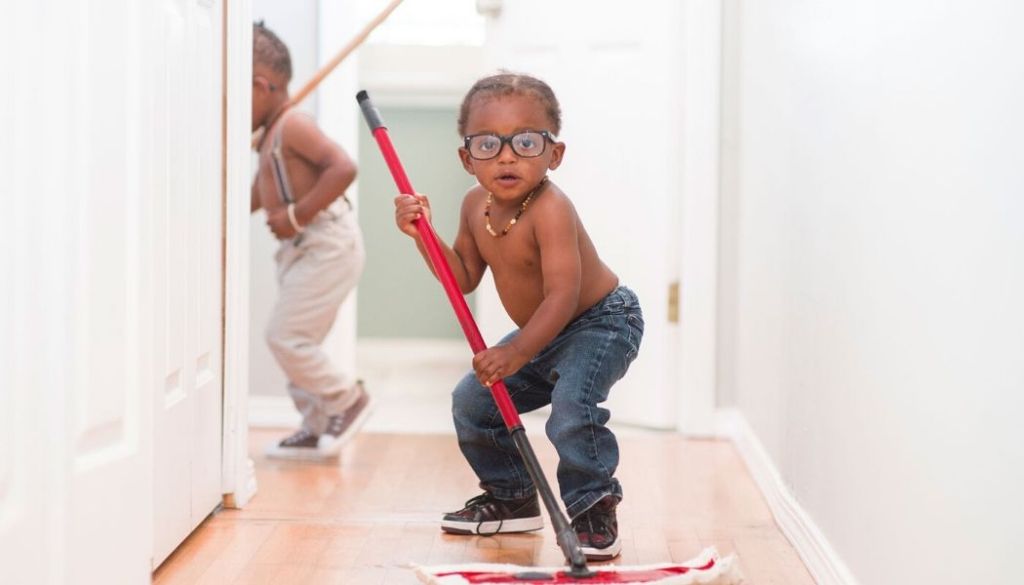
While you clean, purge. It’s a perfect time to reevaluate all the “stuff” in your home, especially anything seldom used. If it’s not seasonal or sentimental, and has not been used in 6 months, consider giving it the old heave-ho. Gather the things someone might be able to use for donation, toss the rest. With everyone at home, having the house clean and clutter free, will help everyone’s sanity and comfort. You may even find some forgotten down-time entertainment in your search. Perfect, because we definitely need more than cleaning as a distraction.
Play makes the time fly-
Play is beneficial in so many ways in a time like this. It reduces stress, promotes feelings of happiness, and best of all, it helps the time fly by. Dig out the cards, dice, and board games for some family game time. Make sock puppets together and put on a puppet show. Let your children lead you on an adventure through the jungles of their imagination. Be a pirate, a mermaid, a princess, an astronaut. Embrace imaginary play, dig out the toys and games and just be a kid for a bit. You’ll be surprised how much better you feel after. This is a great time to build memories with those cuties, don’t be too busy to join in the fun.
Tackle a project together-
If your house is anything like ours, you probably have a project or two around that you have been meaning to get to. I’m not talking home improvement (unless, of course you do have the materials on hand for that, in which case, rock on!) I’m talking about those project kits we buy the kids that then join the stack of things we’re going to do when we have the time. I call it my rainy-day pile, and boy, is it raining now! It’s a perfect time to build that model, explore that volcano kit, learn about motors together, create friendship bracelets, or whatever else you may have hanging around waiting to be discovered.
Dig out the art supplies-
Nothing is much more immersive and distracting than art. One of the few activities that tends to capture all but the smallest children for good chunks of time, art is a great way to pass the time. Dig out those paints, crayons, clay, whatever you have on hand will be great. Gather discarded paper towel rolls, jars, egg cartons, and other materials for some fun recycled art projects. Pinterest has millions of ideas. Pop on over there for some inspiration if needed.

Dust off that old hobby
Maybe you used to sew or knit, perhaps you once loved spending your time wood burning or tying flies. Whatever that hobby is, now is a great time to get it out of retirement. Being creative helps time pass and keeps us busy and engaged in something positive. This is also a great time to pass those hobby skills on to the next generation. Share your love of crafting/creating/ railroads, whatever your “thing” is.
Learn something new
With plenty of time to fill, its also a great time to delve into something you’ve always wanted to know more about but have not had the time to investigate. Binge on documentaries, scour the internet for information, seek out courses online, reach out to someone who is an expert and pick their brain. Try to do something you haven’t before. Think about hobbies you’ve wanted to try, can you get what you need to try them out? Now is a great time to work the kinks out of a new skill.
Dance, sing, or play music
Many households have a discarded musical instrument stashed somewhere. Pick that guitar up and play, refresh those old music skills or learn some new ones. Play music in your home on the radio or your favorite device. Have a dance party in your kitchen with the entire family. Music and dance are wonderful ways to lift spirits.
Enjoy nature together
It is no secret that fresh air and sunshine are an important part of any healthy lifestyle. Did you know they also reduce our chances of becoming sick? Vitamin D, created by our bodies when we are in the sun, is vital to proper immune response and has been shown to reduce the duration of many viral ailments. Spend some time outside, look at the plants and animals around you, learn their names and how to identify them. If you don’t have a field guide, there are apps for that, most of them free if you don’t mind ads. Spend time strolling, watching, and just enjoying the natural world. Because we are practicing social distancing, be sure to stay in your own back yard or stick to less frequented areas. Despite the myth, germs can be passed outside, the breeze and space we tend to give each other in outdoor spaces simply makes that less likely, not impossible. So, get out there and spend some time enjoying the other animals that share our world for a bit. You may discover neighbors you never knew you had.

Read a good book
Every bookworm will tell you, the absolute best way to lose chunks of time and escape from the world is in the pages of a great book. Now is a great time to tackle that want to read list, or to start reading a great book with your kids, or both. Start a reading competition in your house, see who can get through the most books before life returns to normal. Times like these, are when bookworms are born. So, dust off that stack of books you’ve been meaning to get to, scour the kindle library, or one of the many free resources for e-books and sink into a great story.
With a little creative use of space and a mind determined to keep spirits high and life filled with laughter, you’ll be well prepared to whether this storm together. You may even make a few new family traditions while you are at it. Those family dance parties and hobby sessions may, with a bit of luck, continue long after life returns to normal. Try to enjoy this time you have together. Once the kids are grown and out on their own, you will all be blessed to have the memories of these close days together. Someday you’ll share the story of the time you thrived at home together when the world shut down, may it be the story of the glue that strengthened your family bonds.
Like what you read? Show me some love, give it a like, share with a friend.

Preparing for quarantine
As the panic spreads, with an infection rate 1000 times that of COVID 19, two things have become increasingly clear. One the average American is not prepared for a minor emergency that might leave them shut in and/or out of work for two weeks. Two, when asked to prepare for two weeks at home, many don’t even know what to get to prepare for such an event. As a New Englander, both of those facts baffle me. Growing up in the rural North, I can’t imagine not being ready for an emergency like this. With severe winter weather that sometimes lasts for weeks and power outages that have stretched as far as 3 or 4 weeks in some cases ( Ice Storm 1999), we are used to the idea that our stores might not be open or accessible any given morning. We know that power is not a given, nor is access to the outside world. Sometimes it dumps so much snow or ice you are stuck where you are. It leads to a social climate of resilient preparedness.
So, imagine my surprise when, even here in New England, the order to prepare for 2 weeks to 30 days at home resulted in wiping out of “essentials” nearly overnight. Surprise that quickly turned to amusement when I noticed they are not stocking up on bread, milk, canned goods, vitamins, or any of the things they may really need to SURVIVE if forced to stay at home, nope, their only real concern seems to be how they will wipe their bum! There is not a single roll of toilet paper to be had online or in stores. Not one. A fact which alarms some members of my household as we are down to two rolls. Looks like we may need to use backup bum cleaning methods. Luckily, those new England preparedness skills came along with a lot of knowledge about getting things done, old school. So, while the rest of the nation squabbles over the next shipment of toilet paper, we have focused on the things we know we really need if we are going to be stuck here for a while.
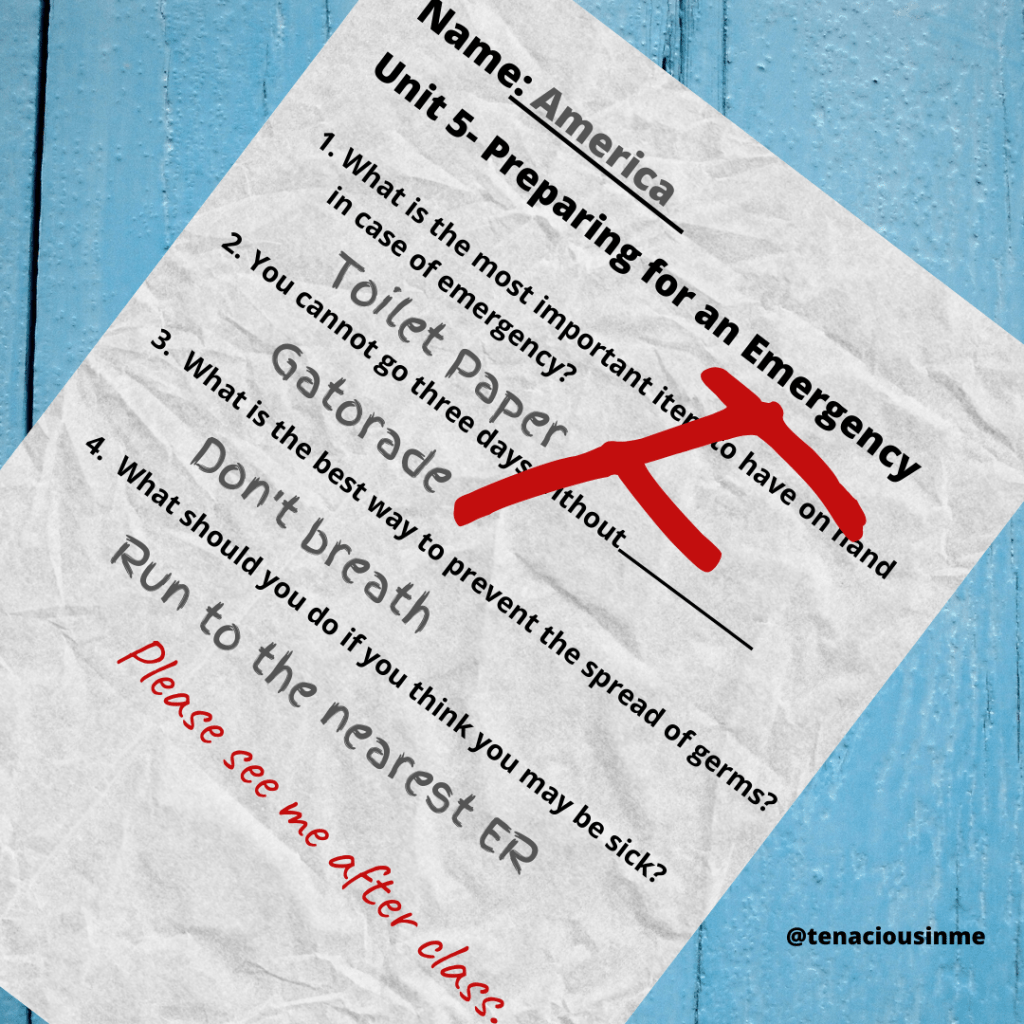
1.) Water- One item I was shocked to see hasn’t flown off the shelves is bottled water. Hands down the most essential item for staying alive, you cannot go more than 3 days without water. If you have potable tap water, you are likely all set, if not, water should be on the top of your list no matter the emergency. If you live in an area with frequent power outages, filling jugs and containers with water should be part of your standard emergency prep.
2.) Food- The next most essential item for surviving a potential emergency is going to be shelf stable food. Canned goods, dry goods like rice and pasta, and frozen goods should be on your list of things to have on hand. In this case, where its not a winter outage but a germ you are battling in your confinement, I recommend stocking up on healthy foods most of all. Fruits, vegetables, and good proteins should be at the top of your list. They will keep you not only fed but nourished and ready to do battle with germs.

3) Medications- The medications you need vary based on your health. It is always a good idea to have a few weeks’ worth of any essential medication on hand, especially during times of the year when emergencies are likely to strike. That blizzard or tornado might interfere with your ability to replenish them. You will also, in this case, want to have whatever you use to treat a cough on hand, as that is the primary symptom of COVID 19. You won’t need decongestants and antihistamines, both of which are mysteriously selling out nearly as fast as toilet paper. You will want an expectorant. This is also a good time to check your stock of first aid supplies, as accidents still happen, even when we are quarantined at home.
4) Vitamins- Not as essential to survival perhaps as the first three, I was tempted to put this at the top of the list, because, though not necessarily always 100% essential for survival, vitamins can and will help you avoid and/or fight this nasty little bug. A healthy immune system is your first defense against infection as well as your ultimate ally in battle should you become infected. Vitamin C, D, B Complex, Zinc, Selenium all help your immune system to fight off colds and flus. Stock up, but more importantly, start taking these vitamins daily to fortify yourself.
5.) Disinfectants- To prevent the spread of germs and protect yourself and other healthy members of your household in case someone becomes sick, it is important to have household disinfectants on hand. No need for an industrial sized bottle of bleach, a diluted bleach solution will effectively kill all of the germs in question.

6.) Personal hygiene items- Yes, this includes toilet paper! Notice how it is not at the top of the list? There is a good reason for that. Other than soap and water, few of the items in this category are actually “essentials”. Most have simple alternative options that, while maybe a bit more gross and certainly more work, are doable in a pinch. Wash clothes and rags can be bum wipes if necessary. They are also a substitute for feminine hygiene products and can be fashioned into a diaper in a pinch. In a perfect word, you could easily stockpile enough toilet paper and diapers for two weeks, at the moment, you may need to be a bit more creative.
7.) Entertainment- While certainly not necessary for staying alive, stockpiling whatever keeps you entertained may help to preserve your sanity if you are stuck at home for a few weeks. Being entertained will also help reduce your stress about being stuck at home, missing work, getting sick, whatever this has you worrying about. Stress has been proven to impact our health and ability to fight off sickness. Books, puzzles, games, projects, movies, whatever it is that you do when you have downtime, gather it. Nothing makes a week stretch longer than boredom, be prepared with a stockpile of distracting boredom busters.
Gathering the things on this list will help you be more comfortable and increase the chances that you get through a quarantine with your health and sanity intact. Food, water, and medications are by far the most important things on the list, followed by disinfectants. Hopefully the current pandemic pandemonium has taught us to be more prepared in the future. It has certainly reminded us that we need to be.
Like what you read? Show me some love, give it a like, share with a friend.

It’s not too late to reach your goals: redefining that new year’s resolution for success
Here we are, almost ¼ of the way through the new year already! How are those New Year’s resolutions going? If you are like most people, they are all but forgotten. In fact, studies show that approximately 80% of resolutions set at the new year will be abandoned by the end of February. If you’re one of the 80%, I invite you to dust off that goal and try again. After all, you did want to make that life altering change just two and a half short months ago. Chances are its still something that would be beneficial. The trick is, figuring out how to make it a change that will stick. With a little bit of information about human nature and an examination of that goal and why you abandoned it, it is not too late to rekindle that goal and make it a reality in 2020, after all, there is still ¾ of a year left to get it done. Let’s dig into why it failed first.
The most likely reason for failing a resolution is, it was too big or too vague. When we set an intention to do something, like lose weight for example, we fail to realize that is not actually a goal. Goals need specifics. How much do you want to lose? When do you want to lose that weight by? How are you going to get there? When the goal is an arbitrary “I want to lose weight” statement, you set yourself up to fail. First and foremost because there is no defined goal. How will you know when you’ve hit it?

Redefine that goal. Be specific. Set a deadline. Include how you plan to get there as well as why you want to get there in the goal. For example, fixing that I want to loose weight goal might look something like this; “I want to lose 15 pounds by June 1st, by eating right and exercising because I want to fit in that gorgeous cocktail dress in my closet.” Now, that is a goal, it is defined, specific, measurable, and achievable. You have mapped out not only specifically what you want and when you want it, but how you intend to get there. That is a formula for success.
Once you have redefined the goal, with that measurable outcome in mind, the next step for setting up for success is going to be taking a look at what has gone wrong when trying to tackle it before. Chances are, this isn’t your first time trying to break that bad habit or set those healthy behaviors. You’ve likely tried and failed several times before. That is a good thing, it can help you figure out what is derailing the efforts to change. So, take a little time to think back to your last attempt at changing this, what went wrong? What went right? Once you know what is likely to hold you back, you can make a plan to avoid it. With what works for you and was doesn’t in mind, you can fine tune that goal a bit more, making it even more specific.

Now that you have thought a bit about what has and hasn’t worked in the past, it’s time to break that goal and plan down even further. Set some mini goals (checkpoints) based on the larger goal. Break that weight loss down, set a date to have gotten partway to that goal. Reward yourself and be proud when you get there, it might not be the total change you promised yourself but it’s a sign you are on the road to change, be proud, celebrate how far you have come. If you get to that checkpoint and find you have not met the set goal, take some time to think about why you have not been able to get it done. Was the goal realistic? Did you follow through with your plan? What caused you to go off track and miss the checkpoint? Recalculating the course at this point will help you reach that final goal.
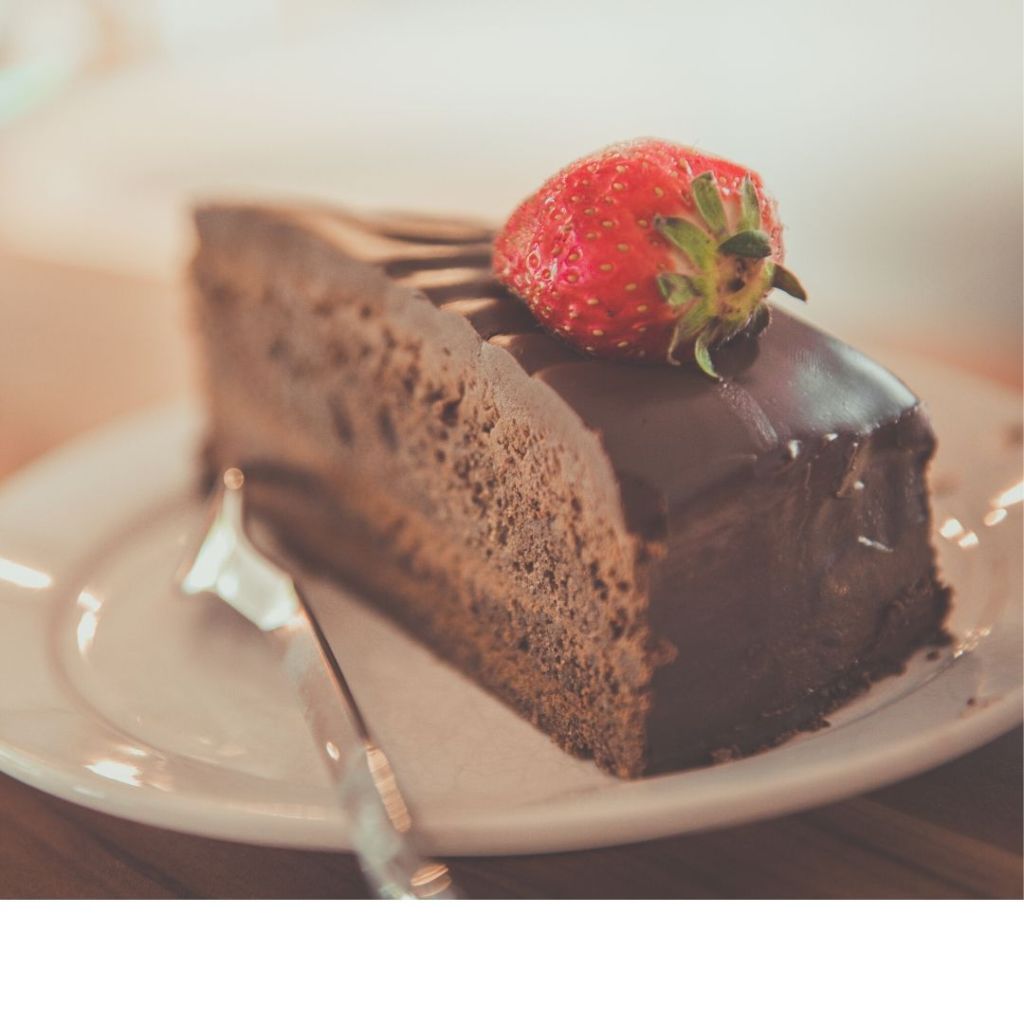
A word about rewards. Be careful about what you choose to reward yourself with. If the reward for weeks of clean eating is a big ole slice of cake, your reward is negating your goal. By calling cake a reward, you are sending the clear signal to your brain that clean eating is not what you want, cake is! That kind of thinking will not help you set the healthy new habit you are working on. Rewards should be directly related to goals, even better if they are something you can only do because you’ve been killing it hitting that goal.
A cute new dress when you hit that weight loss milestone, a handy kitchen gadget to make prepping those healthy meals more fun, a trip using the money you’ve saved by giving up that expensive smoking habit. When my stepfather quit smoking, he saved what he’d spend on cigarettes each week, and used it to purchase a truck. Talk about a reward! Be sure the rewards you choose support the goals you have set. You can still have that piece of cake now and then, just remember, it’s a TREAT, not a reward!
So, you’ve got a specific, measurable goal, you’ve thought about how to get there, what gets in the way, and how to reward yourself when you do, you’ve set smaller checkpoint goals to keep you focused and motivated, to help you appreciate your progress. You are ready to tackle that resolution again. Start today. Your healthy new habit is waiting.
Like what you read? Show me some love, give it a like, share with a friend.

How chronic illness changed my parenting style

“Do you need a glass of water Mom?” The question, from my youngest son is no surprise, he’s a very kind little man. His response to my answer of no, however, does take me a bit by surprise. “You never need me to get you stuff anymore.” It’s not just the statement of fact but the clear disappointment in his voice that strikes me. This amazing human I’m raising misses helping me. He misses getting my drinks when I could not carry them, he misses helping me open things. He’s grown up helping out and feels the loss of my need for assistance. Sometimes it’s the simplest of conversations that shift our perspective isn’t it?
For years I have wrestled with the kind of parent I have been to my boys. Not because of any major failings, mind you. Both of my boys have had the constant love and support of a Mom who believes in them, that has never changed. No, my internal battle has been over the things their Mom could do, and even more so, the things she could not. Because they are 7 years apart and rheumatoid arthritis became severe a few years after the birth of my second son, it has often felt to me like my boys have two different Moms.

Bottom- Standing on top of the world, MDI, Maine
My oldest grew up with an active Mom, she got down on the floor to read and play, ran in the backyard, hiked the beaches and trails with him. Life was an active adventure filled with shell hunting, kite flying, and long walks. An only child for the first seven years of his life, he tagged along to study sessions and often joined me in the field to collect data for some college project. His Mom was always moving, always doing, working, studying, driven. While she did have RA (though she was years from knowing) and there were some bad days, some aches and pains, she was still pushing through. When he was two the doctor told her to stop stooping and kneeling and she laughed at him, knowing she couldn’t do that, so she changed the way she got down on the floor, stopped taking the stairs and saved her knees for playtime with him. He never knew when she hurt, she never needed him to help. By the time RA really reared its ugly head, he was a teen, already well-formed, with a decade or so of active Mom memories to carry with him.

My youngest has no memory of that Mom. He never really got to see that side of me, not that he would recall. There are pictures of us, camping, hiking, playing on the beach, but he was too young to remember those days. The truth is those pictures were taken on the good days. By the time my second son was born, my body was already starting to cave on me. I remember nursing him as every joint in my arm cried out. By the time he was a toddler, the knees that had been troubling me since my teens hurt most of the time. They no longer tolerated squatting, stairs and hills made them scream. Getting down on the floor to play or read together was rare. His younger years are filled with adventures that were followed by days of Mom recovering, barely able to move, exhausted and in pain. As he grew, those days of adventure shrank, and the bad days began to outnumber the good. By the time he was five, his Mom was disabled, depressed, terribly sick, and always in need of help. That’s the Mom he knows best. The Mom who needed him to help her get a drink. The Mom who turned every household chore into a team sport, doing the parts she could and getting help with the parts she couldn’t. The Mom who struggled to get through the days. It’s weighed heavily on my mind, that shift from adventure to precaution, from giving to taking, from living to existing. I’ve spent many nights worrying about all the things I didn’t do with him, all the adventures we haven’t taken, how much I rely on them and their Dad to get through the bad days (months and years).

I was so busy worrying about how my deteriorating health burdened them, I didn’t really notice how it blessed them. He misses me needing him to get me a drink. How sweet is that? That needy Mom, she raised helpers. She raised thoughtful, attentive, gentlemen who open doors and help when they see someone in need. Compassionate humans who can cook, clean and care for themselves, who have seen firsthand how big of a role self-care plays in health and healing. That Mom needed her family in a way many Moms never allow themselves to, and her family grew stronger for it. Closer, more cooperative, more empathetic and understanding.
Now, here we are, on the other side of my roughest years together. With symptoms (finally) fairly well managed, some of the damage cleared up, and consistent self-care and physical therapy, my ability to do has grown and the good days now outnumber the bad. My oldest is grown and out in the world, with a solid foundation of love, support and life-skills behind him. My youngest, soon to be twelve, is at home with me. Our days are filled with homeschooling, housework, laughter and sharing. Soon, it will be spring, and we can head outside for new adventures. I can’t wait for my youngest to get to know the new/old me. The healing me, the adventurous (with a bit of planning 😉 ) me, capable me, tenacious ME. There are woods to explore, beaches to comb, and kites to fly. We’ve so much to do and see, but when we get home, I’ll definitely let him get me that glass of water.
Has life with autoimmune disease impacted your parenting style? Share your story in the comments.
Like what you read? Show me some love, give it a like, share with a friend.

11 Tips for Treating Arthritis Hand Pain
Swollen joints, stiff fingers, a dull throbbing ache, if this describes your hands you are one of the millions of Americans living with arthritic hand pain. You are not alone, according to Reuters an estimated 40% of people will experience arthritis in their hands at some point in their life. While the level of pain experienced by sufferers varies depending on the level and type of damage, most will experience some level of pain associated with their arthritis. Ranging from a dull throbbing ache to sharp and insistent, hand pain can drastically impact your ability to do many everyday tasks, from dressing and grooming to typing and physical labor. Finding remedies to soothe arthritis pain may improve not only the outlook of sufferers but also their ability to perform everyday tasks. The following 11 remedies are proven to help soothe cranky hands.
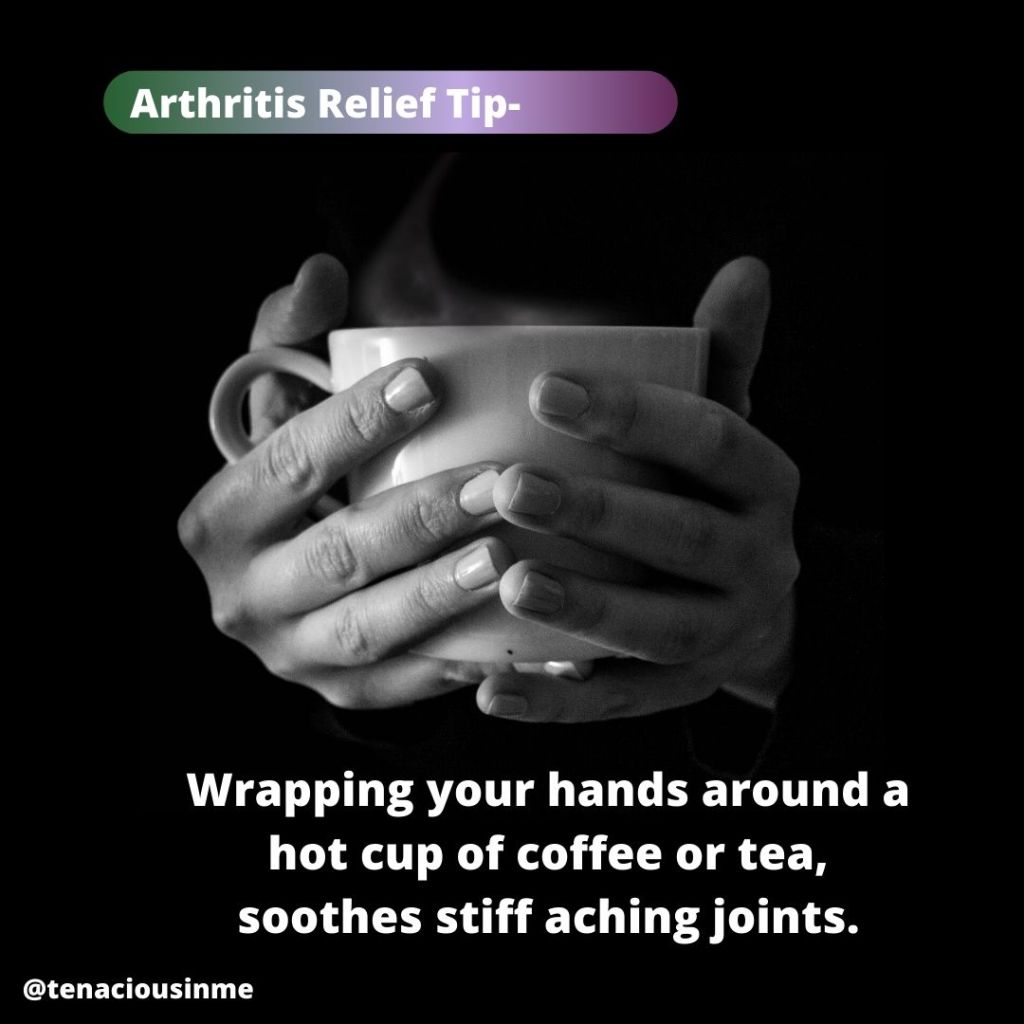
1. A hot beverage- A great way to start soothing that morning pain and stiffness is by wrapping your hands around your favorite hot beverage. Coffee, tea, hot cocoa, it doesn’t really matter what you choose to put in the cup as long as it’s warm and toasty. Wrap your hands around that mug and let the heat seep in and soothe your aching joints. For double joint soothing action, fill that mug with green tea, a proven anti-inflammatory.
2. Hand spa- Available in a variety of shapes and sizes, a paraffin (aka wax) hand spa is a great thing to have. Dip hands in warm wax and then wrap in a plastic bag for the maximum benefit. Adding soothing peppermint oil is a great way to increase the pain-relieving power of this toasty remedy.
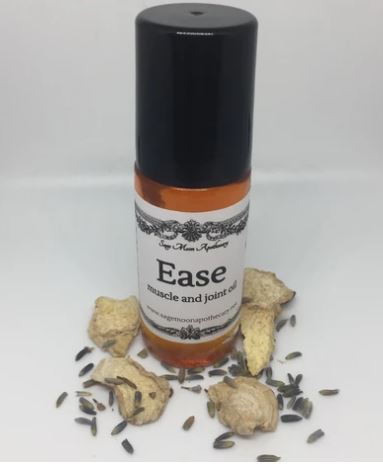
3. Ease Muscle and Joint Oil- Hands down my favorite topical pain reliever, this powerful herbal remedy from Sage Moon Apothecary smells as good as it works! If you are sick of mentholated and medicated smelling creams, this is for you. Pop over to her shop and check it out, you will not be disappointed.
4. Hot water- Soaking your hands in hot water with Epsom salt is a great way to soothe the aches while getting some magnesium, an essential mineral for bone health. Washing dishes is also a great way to ease the aches and loosen up those stiff joints. Just save the heavy stuff for after you’ve loosened up, or even better, get someone else to handle the heavy lifting when your hands are cranky.
5. Movement- Not the most popular answer but certainly a fact, movement helps to ease arthritis pain. Studies have proven that moving decreases inflammation, improves blood flow, and releases gasses that build up in joints. This can go a long way toward easing arthritis pain. Low impact targeted stretching and exercise is also an essential part of slowing many types of arthritic damage.
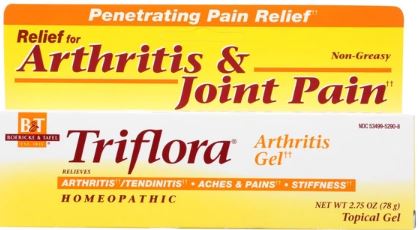
6. Triflora arthritis gel- This topical remedy uses plant power to relieve arthritis symptoms. It reduces swelling from inflammation and eliminates stiffness. With poison ivy as one of the primary ingredients, it is recommended that it be tested on a small patch of skin before applying to a large area. Some people are very sensitive to poison ivy and will not be able to use this one. (I was pleasantly surprised to find my generally sensitive skin had no reaction.)
7. Cannabis- Best known for its ability to increase appetite and prevent seizures, cannabis is also a wonderful remedy for pain and inflammation. Whether taken internally as an edible or tincture, or used topically as an oil or cream, the pain relief benefits of cannabis are excellent. If you are lucky enough to live somewhere that it is legal, ask your medical professional or a cannabis caregiver for information on using cannabis for pain relief.
8. Occupational or physical therapy should be part of the plan of care for anyone suffering with arthritis. Trained physicians can teach patients how to change the way they do everyday things to protect affected joints. They can also prescribe targeted exercises to strengthen joints, improve mobility, and increase flexibility. Using a variety of tools and techniques, and a great working knowledge of the mechanics of the human body, a competent physical therapist can greatly reduce arthritis pain and increase patient quality of life. Ask your doctor for referral for physical therapy.
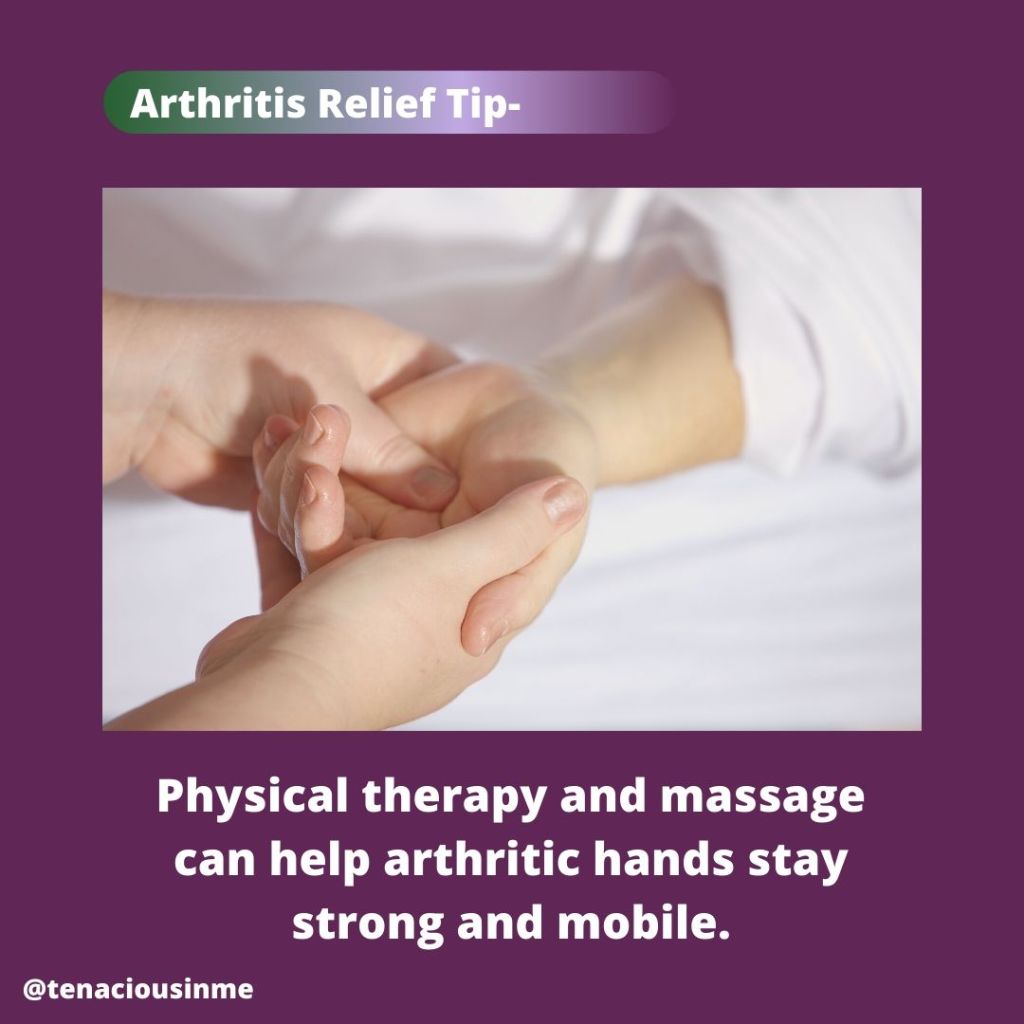
9. Massage- Massage is a great way to relieve many types of pain. Not surprising, it can be helpful in relieving arthritis pain too. While it will not stop joint pain itself, it can help to soothe muscles and tendons that are sore because of the pressure caused by inflamed joints. Massage can release the strain and stress arthritis creates. It can help to both reduce pain and increase mobility.
10. Anti-inflammatory medications- There are many over the counter anti-inflammatory medications on the market. Aleve, ibuprofen, and Naproxen all work to reduce inflammation and relieve pain. Ask your doctor which of these remedies is most appropriate for you on your current medications.

11. Anti-inflammatory herbs and supplements- Many herbs, supplements and foods have been shown to help reduce inflammation. Turmeric, green tea, cherries, pineapple, and blueberries are just a few of the many plant-based options for fighting inflammation. Also available, are a variety of traditional Ayurvedic herbal remedies for inflammation such as Boswellia and Ashwagandha. Determining which of these foods or plants will work for you takes a bit of trial and error. The experience of a well-educated herbalist or nutritionist can be very helpful in determining which remedies might be best for you. Keep in mind, that even though these treatments are natural, drug interactions can occur when using herbal or food remedies. It is always a good idea to talk with your doctor before making changes in the things you’re putting into your body.
Arthritic hands might be an unavoidable part of life for many of us, nearly half in fact, but it doesn’t have to rule our worlds. Using a variety of medical and natural remedies, you can enjoy increased mobility and reduced pain. What do you use to soothe aching joints when arthritis pain rears its ugly head?
Like what you read? Show me some love, give it a like, share with a friend.

Vacationing with Autoimmune Disease- 8 Tips for Avoiding Coronavirus and Other Plagues

Are you sure its okay for you to travel with the Corona Virus outbreak? The question, asked by a loved one, should not irritate me so, yet, it does. See, the problem isn’t the question. It’s the fact that this is the fifth person to ask me this question about my upcoming cruise vacation. To be completely honest, until my husband (concerned loved on number one) asked me, I hadn’t even considered it. Am I worried about corona virus? Sure, I guess so, it’s a virus, I avoid all of those like the plague they are.
As someone who’s been on immune suppressing medications for a few years now, I’ve more than a few tricks up my sleeve for avoiding germs, viral and bacterial. Am I specifically going to be on guard for corona virus on vacation? Nope, I won’t even be thinking about it. Why? Three really good reasons, first, I already do all of the things to avoid germs. Second, I am not traveling to or near any of the areas the CDC is recommending caution in. Third, I believe in the law of attraction, the secret, the old adage that states “be careful what you wish for”. So, no, I won’t be worried about corona virus while vacationing, I’ll be far too busy enjoying the moments as they come. Before you (or any of my loved ones reading this) freak out and tell me I am taking too big a risk, let me reassure you, that does not mean I will be going on vacation unprotected from all the flus, colds, and infections floating around out there.

The fact is, despite the media attention it has gotten, corona virus is no more dangerous to someone like me than the common cold. Any bacterial or viral infection can get out of hand when you are on immune suppressing medications. Biologics and DMARDs, while helpful for control of many autoimmune diseases, leave patients vulnerable to a host of issues, as immune function is intentionally suppressed. Great for reducing the attack on our own bodies, equally great at reducing our ability to fight infections. It’s one of those double-edged swords they speak of. Helpful in the battle, but it might cut you on the back swing.
So, what’s a girl with a double-edged sword on board that might let the bugs in to do? My well-intentioned husband’s suggestion to ditch the sword (stop medication for my trip) might seem like the logical solution. I’ll admit, I considered it. The reality is, every single one of those medications takes time to build up to an effective level in your system. They take just as long to stop being effective. Stopping medication before vacation, might slightly increase my body’s ability to stop incoming germs. It will definitely increase my disease activity and symptoms. So, the choices are continue meds and maybe get sick, or stop them, definitely feel terrible and possibly do more long term damage. When offered the choice between a for sure bad time and a good time with maybe a little risk involved, I’m going to roll those dice every time. What can I say, I’m a gambler at heart. After all nothing ventured, nothing gained, right?
I’m also very cautious by nature. If I’m rolling the dice, you can bet your ass I’ve assessed the risks. So, while I hadn’t considered corona virus specifically before my husband asked about it, I had already spent a lot of time planning my strategy to avoid vacation germs, because the world is full of bugs, and I am not planning to bring any of them home with me. Over the years, I’ve developed a few good germ avoidance habits. I’ll be using those, plus a few brilliant suggestions I got from fellow RA Warriors after the conversation with hubby, to stay germ free.
1. Wash, wash , wash your hands– If you sang that line, congrats on remembering the age old preschool and kindergarten song. There is a reason we spend so much time and energy teaching kids good hand washing habits. The first line of defense against most of the germs in our world is washing your hands, especially before touching your food or face. I really cannot stress this one enough. If you cannot wash them, use hand sanitizer. Available in a variety of travel sized options, there is no reason you can’t always have hand sanitizer with you.

2. Hands off– Seriously, if you don’t have to touch it, don’t. Many germs can survive for a long time on surfaces, not touching them is clearly a great way to avoid them. Especially avoid touching handrails, countertops, and other areas that many people touch. This goes double for anything small kids are likely to be all over. Nothing spreads germs like the touch and taste it all curiosity of small children. Unless you brought them with you, avoid kids like they carry the plague.
If you must touch something, get creative. I’ve mastered pushing elevator door buttons with my elbow, using a forearm and one foot to open a door, you’d be surprised what you can do without using your hands. Get creative, if you can’t find a creative solution, sanitize your hands afterward.

3. Wear a mask– I know, you don’t want to look like a weirdo, I get it. But you also don’t want what the person hacking behind you on that 3-hour flight has, so mask up! Wearing a mask in areas where you will be sharing space and air with many strangers is a great defense against catching whatever they brought on board. There are thousands of options out there, find a reusable mask in a pattern that speaks to you and wear that thing with pride.
4. Use essential oils– This might sound a bit odd if you don’t have any experience with essential oils, but essential oils can create a good barrier to germs. There are many oils that are antibacterial, antifungal, and even antiviral. Some of those, are also great at defending against airborne microbes. Many blends are available on the market to help ward off sickness, Thieves’ oil, used by doctors in the 1400’s to avoid the bubonic plague is perhaps the oldest and best known of these blends. Using a blend like thieves’ oil, or on guard (my barrier oil of choice) in combination with a mask is a great defense against airborne germs.
5. Fortify yourself– No, I’m not suggesting you construct a portable fort or don a suit of armor. I do think you should go into the world well protected from the dangers. Being sure you are properly nourished can go a long way when it comes to preventing colds and flus. Don’t use immune boosting supplements like Emergen-C or Airborne, they cause immune system overstimulation in autoimmune patients.

DO be sure you are getting plenty of Vitamins D, C, B6, Magnesium, and Zinc. These are all essential for proper immune system function and defending against colds, flus and infections. All but Vitamin C have also been identified as beneficial to patients with inflammatory disorders, as they are vital to proper inflammatory regulation. Eat a well-balanced diet, if you suspect you have nutrition gaps, check with your doctor and consider adding a supplement to your routine. Being sure your immune system has all the nutrients it needs to ward off infection is a good way to stay healthy, no matter what is going around.
A word about herbs- When it comes to herbs and autoimmune disease, all I can really say is, it’s complicated. There are many wonderfully helpful herbs that I use to treat and manage various symptoms, including many ra symptoms. But, when it comes to herbs for immune boosting, most of them essentially do the job too well. Neither echinacea nor elderberry, the two best known herbs for warding off cold and flu germs, are recommending for those with autoimmune conditions. Thyme has been recommended as an herb with antimicrobial properties, that does not overstimulate the immune system. An experienced herbalist, who works with people with autoimmune diseases, should be consulted if you are interested in using herbs for cold and flu prevention.
6. Sanitize your spaces– Sanitizing wipes are a great item to toss in your carry-on bag. Use them to wipe down anything you must touch like airplane arm rests and tray tables. Hit up all the surfaces in your home away from home, whether that’s a hotel room, Airbnb, or any other vacation rental. Avoid whatever the last guests may have left behind. A tip straight from the RA group poll, grab a can of Lysol to spray bedding, furniture and other soft objects in your hotel room or cabin. You’re going to want a sanctuary where you can let your guard down a bit.
7. Get plenty of rest– Somewhat easier said than done when on vacation, so much to see, so little time. Getting good rest is still an important part of staying healthy. Build some down time into the itinerary. Want to catch that midnight show? Plan a nap in the afternoon so you can enjoy late nights without losing sleep. Try to get plenty of sleep leading up to the trip, so you are well-rested at the start.
8. Drink plenty of water– This one feels like it goes without saying, but I’m going to say it anyway, drink water, every day, plenty of it, zero excuses. Essential for all aspects of our health, water is key to preventing colds and flus as well. It keeps our bodies hydrated, cells functioning well, and systems cleaned out. Speaking of cleaned out systems though, do beware what kind of water you drink. There are thousands of water born microbes in the world, especially in warmer vacation destinations. Avoid tap water and stick to the bottle, just to be on the safe side.
Staying germ free while on vacation may take a bit of preparation and a few extra precautions, but they will all be worth it when you return home bursting with memories and free from hitchhiking germs. Go prepared to enjoy a sickness free vacation. For those of you still worried about Coronavirus specifically, I did check the CDC recommendations for avoiding this particular plague, every precaution was already on the list.
What do you do to avoid getting sick on vacation? Is there something missing from the list? Drop your best tips in the comments. If you found this article helpful, hit that like button!


 Tenacious ME