
Tenacious ME
Tackling disabling autoimmune disease with obstinance and humor.
Tackling the Holidays, Chronic Illness Style

Remember when holidays were times of magic and joy? You know, back before you were in charge of bringing said joy to the table? The good old days, when the turkey arrived at the table surrounded but trimmings with but the smallest bit of effort from you. When gifts magically appeared under the tree while you slept. Before you knew just how much work goes into creating anything magical, when you could look forward to them with nothing but joy. Those were the days.
Staring down the barrel of what I have come to think of as the holiday gauntlet that is winter in North America, it is easy to become overwhelmed with everything that needs to be done to create that illusion of holiday magic. The hunt for the perfect gifts, hours in the kitchen prepping delicious foods, cleaning, decorating, attending parties, visiting relatives, preparing for visitors…the list just goes on and on and on. Add in a chronic illness that limits your ability to keep up with “normal people” and it is easy to see why so many chronic illness sufferers feel like they are not up to the task. The truth is, they probably can’t do it all. The good news? They were never meant to.

Searching the history books (okay, I used google) and the brain of my history/anthropology buff eldest son, I have discovered something really important that all of the high holidays and feasts have in common. They are rooted in community. Each and every one of them began as a community celebration, a time to come together and share. Traditionally, the days leading up to those festivals were spent working together to prepare for the festivities, whatever they may be. The key word here is, together. Not one of the upcoming holidays began as a one woman sprint to do it all. Not one. Which leads us to the first step we will take for holiday survival with chronic illness.
Stop Trying To Do It All
Repeat after me, “this isn’t a one woman show”. Know how I know? You are preparing to celebrate with people, those people, should also be preparing for celebrations with you. Time to work on two skills everyone with chronic disease needs to master, delegating and asking for help. Start by assigning the things that really don’t need your personal touch to someone who can get them done. Yes, the wreath needs to hang on the door, no you don’t have to personally place it there. Sure, someone needs to run to the post office to mail packages, certainly doesn’t have to be you. Take a look at your to-do list, choose the hardest things on the list for you to accomplish, and ask for help. Invite your kids and spouse into the kitchen to help with the prep work, hand the vacuum to the teenager and allow their version of cleaning be good enough for today, ask a friend to come help you dig out the holiday gear. You might be surprised how helpful your loved ones can be, once they know you need their help.
Simplify
While you are pondering that holiday to-do list, consider if you will, an alternate world where half that list doesn’t even exist. Lightens the load doesn’t it? What could you do with the time and energy you will spend at the neighbors’ annual party that you dread every year but attend anyway because it is expected? Would ordering the cookies from the bakery leave you in better shape for attending the event you don’t want to miss? Consider the things you are expected to do, invited to do, and want to do, and make a plan that makes more room for the latter. It is okay to say no. Even during the holidays. Even to your family. Something many of the makers of magic seem to have forgotten, its is YOUR holiday too. It should feel like it!

Pace Yourself
Speaking of feeling like it, you will feel much more capable of surviving the season if you pace yourself. Trying to do it all at once will only lead to pain and failure, so set yourself up for success. Planning to space out the things you need to do will make you much more likely to get them done. Avoid the pain and suffering of an all night gift wrapping session by wrapping a few things at a time over a week or two. Do a little bit of several different projects a day to avoid physical burnout. Remember that your daily energy and strength are limited resources and make a plan that respects them. Limping into the holiday feeling miserable because you overdid it getting there is not the goal! Enjoying the time with those you love, that is the goal here.
Don’t Forget Self Care!
With that goal in mind, be sure to leave time in your holiday schedule for self-care. This is no time to skip all the self-care rituals that keep you moving! If anything, it is a time to double down on self-care so you can find the energy to get through it. So, take the supplements, build downtime into that hectic schedule, take a nap, eat real food between all those lovely treats, and try to get some sleep at night. The holidays will be so very much more enjoyable if you do.

While there is no doubt that holidays can be challenging to get through, it doesn’t have to feel like an uphill battle. Taking time to care for you, pacing yourself, delegating, asking for help, saying no, and paring down on the things you have to do will make it much less of a battle. Save the battling for the really tough stuff, like washing your hair.
What gets you through the busy times in life? Drop your holiday survival tips in the comments! Looking for the perfect gift for a loved one with chronic pain/arthritis? Keep an eye out for the 2022 gift guide!
Like what you read? Show me some love, give it a like, share with a friend.

Handy Arthritis Tools That Reduce The Struggle

Do you find yourself struggling with tasks that used to be simple? Have you ever stayed in pj’s simply because putting on clothes sounded like too much work? Cursed and cried in frustration when you couldn’t get anything open to quench your thirst? Panicked when you couldn’t open your own front door? If you live with chronic inflammatory arthritic conditions, you likely have experienced one or all of the above as your previously agile joints become cranky and uncooperative, I certainly have. The struggle to do the simplest tasks can become very real, and very frustrating.
Luckily, we live in age chock full of gadgets and aids that help make everyday tasks simpler. From bathing to dressing, cooking, cleaning, driving, and everything in between the number of clever gadgets to help get things done is truly baffling. Since it would be impossible to cover them all, let’s start with the ones that solve the most common issues arthritis patients struggle with.
Bathing and Dressing-
An area people with arthritis often struggle with is self-care tasks, like bathing and dressing. Luckily, there are a wide variety of tools that can help with the special challenges these tasks present. Look for wide handled and long handled brushes, combs, bath sponges and even lotion applicators. This is also where you will find my second most used tool, the dressing stick. Handy for taking off and putting on clothes, along with dozens of other tasks around the house (like fishing laundry out of the bottom of the washer), I’ve got these in every area of my house.
Because it is foolish (and sometimes dangerous) to waste all your energy standing in the shower, a shower chair is a wonderful energy saving item to have in your bathroom. On days when balance or a crabby body part are making standing up extra challenging, they also can make the difference between worth it to take a shower and not. A second seat somewhere outside the shower can also be a big help, giving you a place to rest while you groom and dress/undress.
If reaching your feet has become a struggle, stop fighting it and grab a sock helper. I prefer a soft, flexible one because I don’t have to struggle to pull the sock onto the tool. While you are searching for tools to help dress those feet, be sure to pick up a long-handled shoehorn, to take the struggle out of putting on shoes. (Handy for pushing off socks or leggings as well, I own 3!)

Around the house
Keeping up with household tasks can be a struggle, with or without arthritis in the picture. Cooking, cleaning, laundry, taking care of children and animals, there is a massive amount of work that goes into cleaning up from daily life. If you are also physically struggling to do all of the things, it can start to feel completely impossible to keep up. Luckily, we humans have invented handy tools and gadgets to help out with most of the day to day household things we all have to get done. Because it would literally fill a book to share all of the amazing (and sometimes odd) inventions out there that can make household tasks easier, let’s focus on a few that solve the most common arthritis struggles.
First up, bottle and can openers. Let’s face it, getting into some food and drink packaging when you have arthritic hands feels like an impossible task. If you’ve ever struggled to get into a bottle of water just to give up, it is probably time to invest in a few handy bottle openers. Look for one that opens a variety of sizes of bottle and has a nice chunky grip to hold onto. While shopping for items to help you bust into bottles, do yourself a favor and grab an electric can opener too. Your wrists will thank you.
Next up, the most used item in my house, for gaining access to everything from food to deliveries, is scissors. Seriously, these are scattered throughout my house, car and purse. Look for big chunky handles for better control and easier grip.
Speaking of grips, when it comes to improving your ability to get things done in the kitchen, considering the handles of your most used tools is a great place to start to make some simple changes. Either replacing spoons, knives, and other utensils for models with chunky handles, or using handle adapters that come in a variety of sizes and styles to accommodate whatever kind of hand grip you have to work with, can make kitchen tasks both simpler and safer.
Continuing the handle theme, simplify cleaning tasks by grabbing long handled tools. Scrub brushes, dusters, and mops with long chunky handles can help take some of the bending and stretching out of daily chores, easing the impact on your cranky body. Not a tool, but a change of attack, choosing to sit while you work is another great way to reduce the toll of cleaning and cooking.
Better than doing it yourself, there are also a ton of products on the market that will do the job for you! With both wet and dry versions now available from several manufacturers, floor cleaning robots are perhaps some of the more popular of these items. Stand mixers, food processors, peelers, grinders, juicers, scrubbers, vacuums…whatever the task you are trying to do, chances are there is a gadget for that.
Getting around
Since RA can flare up in any of the 360 joints in the body, 60 of which are in your feet…it is no surprise that walking and general mobility can become a challenge. Luckily, there are plenty of things out there to help with walking, balance, or even a lift to get you where you need to go. At the top of my list is my handy collapsible walking stick, great for helping me balance on rough terrain, but also a huge help when even flat surfaces are a challenge to walk on. Paired with a lightweight, portable tripod stool for taking a break along the way, it also helps me get farther on my expeditions. Other options include canes and forearm crutches, both of which reside in my emergency mobility tool stash. Great for longer outings, balance and a seat on the go, rollator walkers are another extremely handy mobility device. Having a rolling seat with you can seriously improve the experience of a long shopping trip!
If your arthritis has progressed to the point that walking with assistance is just too painful, consider picking up a wheelchair or electric ride on device of some sort. Not only for those who cannot walk at all, these handy ride on tools can make getting around simpler and allow you to go on much longer trips and excursions.
One of the keys to living a full, able life with RA and other arthritic conditions is to lean on the available tools that make getting things done simpler. The energy saved not struggling to do the little things, is a precious resource, especially when you have a limited supply for the day. Leaning into arthritis tools means you will be able to do more, also precious when life can be a struggle. What tools do you find most valuable in day-to-day life with RA? I’d love to hear about the handy gadgets that help you get things done!
Like what you read? Show me some love, give it a like, share with a friend.

Tackling Trigger Foods

If you have spent much time in the rheumatoid arthritis community, or researching natural remedies for chronic illnesses, you have no doubt seen the claims that a change in diet can do everything from improve symptoms to cure the disease entirely. While I’ve personally not found any evidence that food can cure RA altogether, I have both seen and experienced the often talked about reduction in inflammation that a proper diet can give.
The fact is, there are many foods that can and will increase the level of inflammation in your body. The list of potential “trigger foods” (things that increase pain and inflammation by causing an immune response from the body) is long and somewhat perplexing. Common trigger foods include such things as sugar, gluten, dairy, nuts, and various fruits and vegetables, and depending on who you ask, meats and many oils and fats as well. Upon compiling a list of potential inflammatory foods, in fact, one might end up with the impression that all food is inflammatory. Luckily, not all “trigger foods” trigger symptoms in all people, great news as food is an essential part of staying alive and variety is rather nice if not entirely essential to one’s survival.
Unfortunately, the variety of possible trigger foods paired with those individual responses to said foods, can make it a rather daunting challenge to sort out what foods are doing you more harm than good. As a firm believer that plants are indeed the best medicine for many ailments and that your body is only as good as the blocks you build it from, sorting out what foods I personally should and should not eat has been at the top of my list of ways to help manage RA from the start. Several years, and many different anti-inflammatory diets and elimination trials later, I can solidly say that sugar, gluten, corn, some dairy, sweet potatoes and bananas should not enter my body. Notice I say should and not don’t, because, well I am human, a human with a complex relationship with food, as many people have.

Ask me for a list of my favorite comfort foods and the problem quickly reveals itself. I have developed a habit over my lifetime of taking comfort in the things that feed the fires of my body. As it turns out, this is, in the long run, not so comforting. Unfortunately, old habits die hard, and old crutches are easily picked up when life smacks you in the face. Doubly so if those smacks from life result in stress and an increase in inflammation, making dietary restrictions to slow that down feel futile and not worth the willpower. Since you feel like hell anyway, might as well eat the cake, right?
I’m sure some of you are baffled that I would choose to eat something knowing full well it will cause me pain later, I’m just as sure many of you agreed wholeheartedly, eat that cake and take the short-term comfort. Having lived all my life in the latter group, I am finally, after years of work on self-love and building healthy stress responses, leaning toward the more reasonable, less damaging choice, leave the cake and take a walk to clear my head. That shift, and the trials that lead me to know for certain that the cake was not helping me, were not simple, straightforward journeys. Like every journey worth taking it has been full of ups and downs, and more than a few dense thickets that I had to chop my way through. So, when my most recent foray into figuring out how to better feed myself ended in a briar patch , it was not entirely surprising. What was surprising, was how well I’d done up till then.
When people talk about elimination diets like the oft touted AIP, they go into great detail about all the things you remove from your diet. What they tend to gloss over is, how much of a challenge it is for many of us to change our daily eating habits. My first several toe dips into sorting out my trigger foods ended quickly and pathetically, leaving me feeling like a failure. They made it sound so easy, you just eat what is on the list and avoid what isn’t. Without any need to calorie count or limit the amount of food you eat; it sounds simple enough to fill up on foods that should be good for you. I’m sure for some people it is, however, those people obviously have a different relationship with food than the rest of us.
For the rest of us, filling up on good for us food does nothing to diminish our longing for that forbidden fruit. When food has become much more than nourishment for you, when it has also been a security blanket you use to soothe the wounds of day-to-day life, breaking those habits and sticking to the plan can be a massive challenge. A challenge I have circled and poked at most of my adult life. The key, it turns out, was learning how to treat myself with love and value my independence. I’m pleased to say, my most recent foray into sorting out food triggers proved to me that I have finally climbed to the top of that mountain. I know how to keep loving myself and caring for my needs even in crisis. A huge shift from my former smother it in sugar and keep moving self.
My most recent attempt to determine what I should eat and shift into more healthy eating habits, a 6-week run at Keto, went better than any previous attempt at giving up foods that include cake. Having figured out that substitutes just make me crave things more, I shifted into a whole foods diet free of “treats” and, after the adjustment period, enjoyed several weeks of reduced inflammation and increased energy.
Just how much it was helping proved itself around week 5 when my husband’s rare autoimmune blood disorder attempted to take his life, as I stuck to the plan through the entire harrowing journey and 10-day hospital stay that followed. Knowing my stress level was through the roof, my routine was blown all to hell and my activity level was walking the halls trapped in a hospital…I was amazed at how alright I felt. Leaning into the things I could do to support myself, was getting me through the most stressful experience of my life, without so much as a limp to show for it. I stuck with it, right up to the end of our stay, when I finally thought to check my own patient portal. There I discovered a message from my doctor expressing her concern over my latest liver and kidney function numbers, which had drastically spiked in the past month. A short email conversation with her later, we felt fairly sure of the answer, ketosis added to the strain of medications, tipped the scale and landed me in the danger zone. The following month’s blood results confirmed that suspicion.
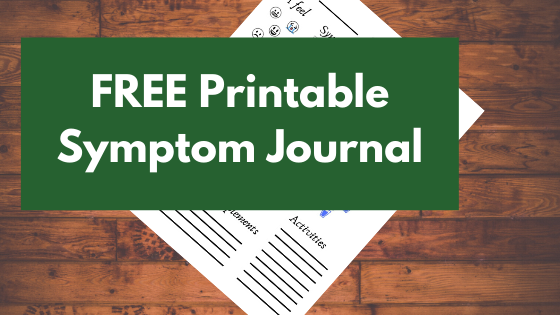
As good as it was making my joints feel, it seemed keto was not going to work for me after all. The good news? I had affirmed that I could feel better if I avoided certain things. More importantly, I had learned that I could avoid the things that caused me pain, even in a crisis. Unfortunately, I still landed in the briar patch at the end. This time, though, I didn’t feel like a failure, because this time, I didn’t falter, though I did have to give it up in the end. One great thing about facing a problem proud of how you got there, knowing you can handle it makes the task ahead feel less enormous. I may not know what diet my entire body will tolerate quite yet, but I have many new clues. More important, now I know I can let go of what is not helping me. With a little work and the right tools, I feel sure I can sort this out. So, back to the food and symptom journal I go. Having trouble sorting out what is helping and what adds to the fire? Download my free printable symptom journal today.
Like what you read? Show me some love, give it a like, share with a friend.

Gardening with RA
Do you love the idea of a garden but cringe when you think of the body ache inducing work it takes to create and maintain one? If you could enjoy the fruits of your labors without the pain of the labor, would you? Gardening, even with a body riddled with arthritis and prone to exhaustion, can be a relaxing and rewarding process. A few changes to the way you approach the task can make it a (mostly) painless process. As painless as anything with an angry body can be.
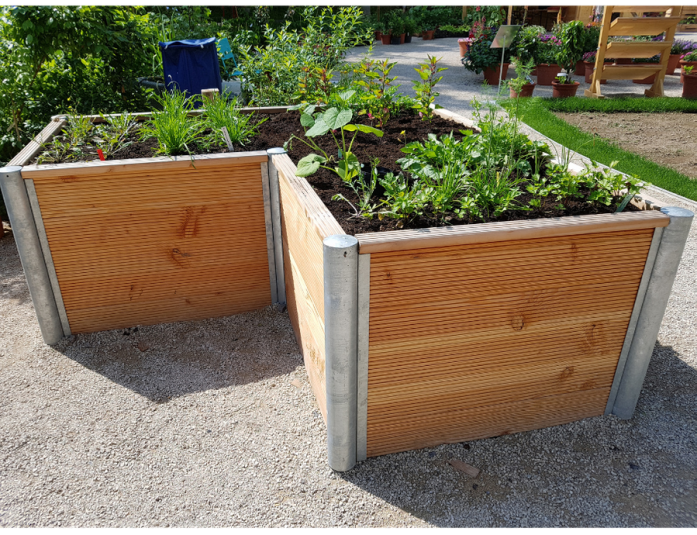
1. Raise It! Gardening on the ground means stooping, crouching, reaching, and bending, all things cranky joints hate to do. Raising the height of your gardening efforts can greatly reduce the strain on your body. Raised beds, hanging planters, and patio pots are all wonderful options to help reduce the strain of gardening. Place patio planters on stands or overturned pots to raise them to an easier to reach height.
Planters that are mounted on walls, railings, or fences are also a wonderful option. When you are working with bags of dirt or fertilizer, place them on a chair, cart, or other higher surface to make reaching them easier. If you cannot raise your garden, get on its level with a stool or garden seat.
2. Get the right tools for the job. Using adapted tools can greatly improve your gardening experience. Long handled tools that eliminate the need to hunch or crouch, chunky handled tools that are more friendly to arthritic hands, electric weeders and trimmers that take the labor out of the work, there are tools to fit just about every need. Struggle to use rakes and shovels with straight handles? Check out these amazing offset handles, which change the grip and give you leverage at the same time. Amazing!
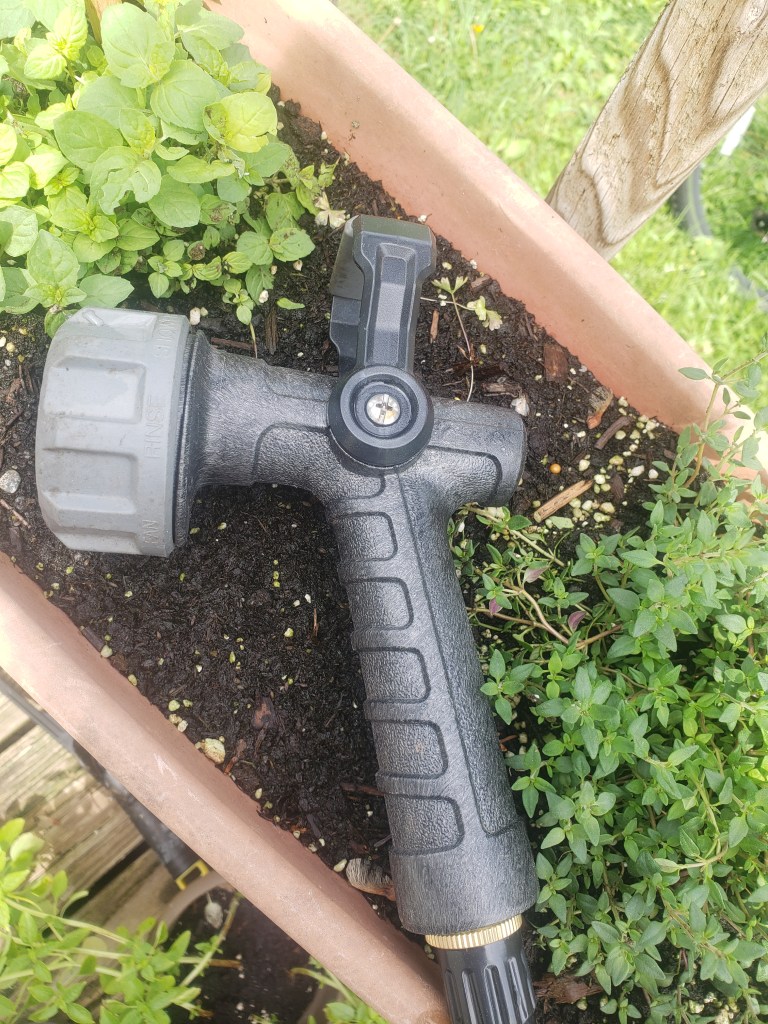
3. Eliminate watering woes. One of the biggest challenges of gardening can be keeping up with the needs of thirsty plants. Watering used to require dragging heavy watering cans, wrestling with unruly hoses, squeezing spray handles and generally just a whole lot of challenges. Thankfully, there are now many ways to take the struggle out of keeping plants hydrated. Instead of wrestling with heavy, awkward hoses, invest in a collapsible hose, they are not only lighter but also much more flexible and easier to move around. Ditch the more common squeeze trigger style spray handle for one with an easy to push lever handle. Eliminate the need for hoses altogether by investing in an automated watering system. There are many different types of irrigation systems on the market now.
4. Get ahead of weed control. Planning ahead will greatly reduce the number of hours you have to spend defending your garden from invaders, aka the dreaded weeds. Using a commercial weed barrier is a great first line of defense. Mulching with bark, shredded paper, or placing cardboard or newspapers down as a weed barrier also work well. As an added bonus, mulches and paper barriers also help prevent water loss, meaning less watering for you. Planting ground cover plants near taller plants is also a great strategy to edge out weeds. The fuller your planters are with things you want, the less space there will be for things you don’t.
5. Start small. It can be tempting to go all-in when it comes to gardening. After all there are literally hundreds of plants you could grow. Planting more than you can manage however, leads to failure and disappointment. Starting with a small raised bed or a few pots on your patio is a wonderful way to ease into gardening and gauge your ability to keep up. Keep in mind, each plant needs weeding, watering, fertilizing, perhaps occasional pruning, and a bit of love to thrive. Growing one amazing tomato plant is far more rewarding than watching an acre of garden being swallowed by neglect. Keep it simple, start small.

6. Pace yourself! Rome was not built in a day, nor were the gardens of Versailles. Reaching your gardening visions will take time. There is no reason to do it all at once. Break the job down into smaller chunks. Get the soil ready one day, plant another day. (Or many other days.) Mulching, weeding, even watering can be done some at a time. Keep in mind that overdoing it today might take you down for several days, you will survive it, but your garden may not. Plan for consistency by not biting off more than you can chew today.
7. Last but never least, ASK FOR HELP! I know you hate asking for help, especially with things you choose to do for entertainment or recreation. The fact is, bags of dirt are heavy, sometimes things that should turn won’t turn, and you will just plain run into things you can’t do alone. That is fine, there are other humans, ask them to give you a quick hand. You can reward them with yummy veggies or pretty flowers later.
With the right tools and a few adaptations gardening with RA and other physical challenges can be a rewarding and relaxing hobby. What tips and tools have you discovered that help make gardening more of a joy for you?
Want to help support TenaciousME? Click the button to donate today!
Like what you read? Show me some love, give it a like, share with a friend.

The Problem With One-Size-Fits-All Solutions

If you have ever needed to lose a few pounds, get in better shape, or solve a health related issue, chances are you have met them. The one size fits all solution givers. You’ll recognize them by their claims that their system/product solves the problem in question for everyone. The fact that that is a biological impossibility will do nothing to derail their belief that it is true, this is the answer, they know exactly what you need to fix your life. Honestly, it is hard to blame them. The information they are seeing supports the idea they have been sold on. A combination of their own positive experience, literature about the magic solution in question, including the compelling science behind it, makes it seem legit enough. There is just one little critical detail that the science may have skipped over, something the one size fits all solution holder has missed. You are not them.
Humans are not all the same. All it takes is a quick look around at the humans you are sharing space with to know that is true. Our obvious physical, genetic differences are too plentiful to count. Add in the differences in our behaviors, backgrounds, experiences and exposures, and even within a single family unit we see that we are similar but certainly not the same people.

Thanks to a little thing called biological diversity, humans are not all the same. A term usually heard in wildlife management circles, biological diversity refers to the variety of life in an area or population. In this case, we are looking at population level biological diversity, in other words the genetic differences that can be seen among humans.
All those differences? They add up, creating your personal biological system, your body. (magical, isn’t it?) Because each of us is a unique biological system, with unique chemical and biological needs and responses, each body reacts differently to whatever we decide to do to it. The spicy tomato based sauce that has you up all night with heartburn, may not bother your spouse at all. The exercise routine that melts the pounds off your friend might be nothing but pain and misery for you. The point is, our bodies, and the way they respond to the things we expose them to are all different. This means the solutions to the things we wish to correct will undoubtedly look different as well.
Unfortunately this means that few and far between are the answers that work for everyone. Whether or not a product, diet,or workout works for you will depend entirely on your individual needs. The bad news, finding what works for you is going to be a process of trial and error. The good news? You don’t have to jump on that trendy band wagon just because everyone claims it is the answer, instead you can find the solutions that work for you.
Need help sorting out what works for you and what does you more harm than good? Grab a copy of our free printable symptom journal today!
Like what you read? Show me some love, give it a like, share with a friend.

Learning to Lean-How Adaptive Aids Improved My Life

I used to look at adaptive equipment and see it as a flashing neon sign, complete with an arrow pointing at the user (me), “This person is weak” the sign flashed, “can’t do normal things” it sometimes proclaimed. I avoided using tools made to help ease the stress of daily life. After all, those arthritis aids were for people who couldn’t and I could (kinda, with a lot of struggle, okay and maybe occasional tears) but I wasn’t so bad off that I really needed assistive devices, or so I thought. I thought I was fighting to remain independent. It turns out I was just fighting the use of tools that would make tasks simpler for me. Yep, that’s me alright, stubbornly chopping down the trees with a hatchet because I can’t have people seeing me use a chainsaw. The irony? Before diagnosis, I would not hesitate to pick up a tool to make a job simpler. In fact, my creative use of tools was always one of the things I was most proud of, Yankee ingenuity is in my blood. So why the tool avoidance after diagnosis? It turns out, I was more afraid of appearances and the labels they bring than I am stubbornly independent. (Even I was surprised by that one!)
The result of my stubborn tool avoidance? Struggle, giving up, and more tears than this stoic Maine girl is used to shedding. After a few weepy pity parties over the things I couldn’t manage and a complete breakdown involving a water bottle which may still to this day live under the bush I hucked it at, I began to realize I did have a choice. To struggle or to get help. Finally starting to come to terms with the limitations RA had been putting on my body, I began to consider how I could work around them. That acceptance, that RA was hampering my ability to do, was essential. It turns out it is essential to every part of the RA journey, but that is a much longer story. My first assistive device purchase? A bottle opener, if you have ever lost your shit over an inability to get a drink of water, you know why that was my first toe dip into the world of arthritis tools.
Cut to a few years later and my house is loaded with handy little things that make my life less of a struggle. Bottle openers, dressing sticks, shoehorns, various electric kitchen gadgets, scissors and a whole slew of other helpful aids now live in my home making it safer and more accessible for me, and surprise, giving me more independence. Most of those tools were picked up willingly, some even came with some excitement as I knew they would make me more able. In the fight against disabling disease, that is priceless. Giving myself permission to make that fight easier, shifted things in a small but crucial way.
That is not to say it just shifted all at once and I was able to seamlessly accept all sorts of helpful tools. Quite the opposite. Each set of tools purchased followed an acceptance of their necessity, my need to do. This meant accepting the need for help over and over. If you have followed me long, you may know my stubborn independent nature made that tougher than it probably needed to be. It certainly did when it was time to pick up a cane and eventually a walker.
Some lessons only sink in if we repeat them over and over, accepting help is one of mine. Coming to terms with the fact that my legs were no longer interested in their supportive role, and unable to submit to a life on the couch, eventually led me to accept the need for a cane to help me hobble along. As something I would need outside of the house, making my struggle visible to the outside world, that was not such a simple tool to pick up. In fact, it took extreme need and a moment of desperation for that to happen for the first time. It took a loved one landing in the ICU in critical condition when I had been barely able to walk for a week for me to chose to pick up the cane my doctors had suggested I might find helpful. In the battle between able to get to his side and unable to be there, there was no contest, I had to figure it out, so we stopped and got my first cane on the way.
Since that desperate day, I have made a pact with myself, never let it get that hard before accepting help. Whether that be the assistance of a loved one, or some handy gadget or piece of adaptive equipment, taking help when it is needed, opens life with a disease that often shuts doors to us. It gives us freedom and independence, and perhaps most importantly, it saves our energy for the things we wish to do. Living in a body that can turn the simplest tasks into a struggle, that is a priceless resource.
What handy tools for life with RA can you not do without? Keep an eye out for our upcoming guide, Handy Arthritis Tools That Reduce The Struggle.
Like what you read? Show me some love, give it a like, share with a friend.

Stress and Chronic Illness
In a world where things are anything but simple, with a body that is anything but well behaved, its no surprise that stress plays a big part in the lives of most people with autoimmune diseases like Rheumatoid Arthritis. Between juggling responsibilities and fighting your own body to accomplish them, the stress can easily reach overwhelming levels. Add in a little worrying about the future with said disease, and some guilt about the tings you aren’t nailing, and its no surprise that many autoimmune patients feel stressed. Realizing stress also increases the activity of such diseases, it’s easy to see how that could quickly become a problem.
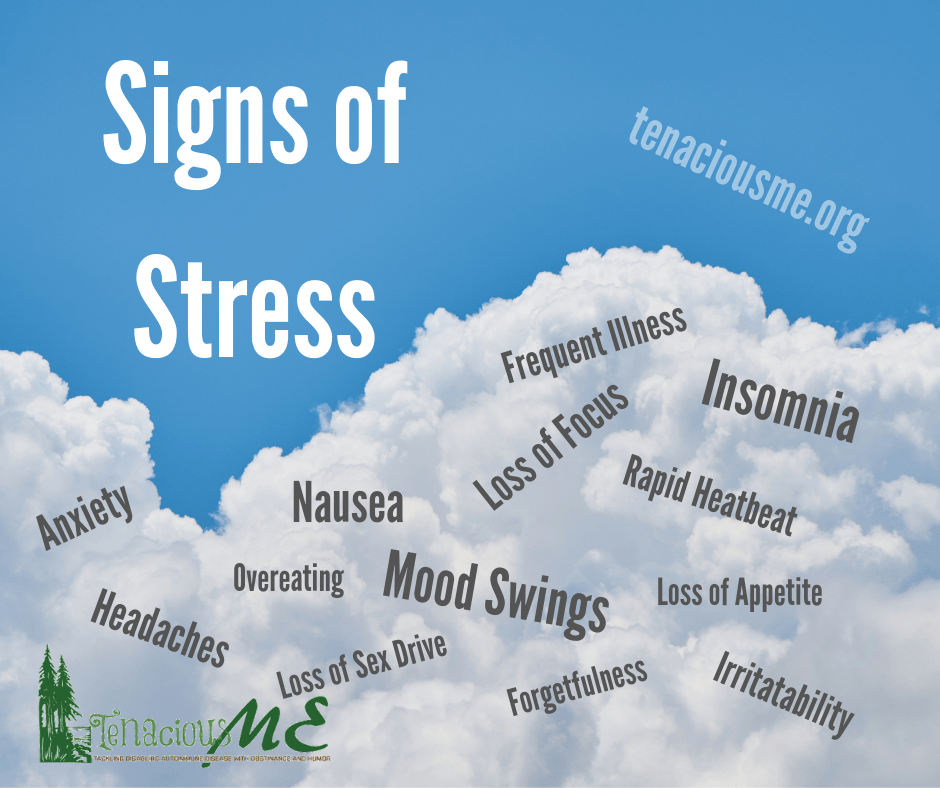
Learning that stress is one of the most frequent triggers of autoimmune symptoms is a bit like being told breathing makes your symptoms flare-up. Stress is an inevitable part of life, especially for those with chronic disease. Let’s face it as much as you might like to, you can’t simply eliminate all stress from your life. I mean you can certainly try hiding in your blanket fort and coloring all day between snacks and naps but, eventually you will undoubtedly have to face the reality of your life and deal with the things that stress you out. That is the bad news. The good news is stress management can and should include naps, snacks, and even some time alone in the blanket fort if that is what floats your boat.
While we can’t eliminate all of the things (or people) that stress us out, it is still important to consider letting go of some of the ones you can be done with. If something or someone is constantly causing you stress, consider the ways you might be able to step away from that. Changing jobs, downsizing to a more affordable house/car, taking the time to enjoy life, can all decrease the amount of stress your body is dealing with. Less stress means less disease activity. If you live with chronic illness you already know, less disease activity is the golden ticket.


Because stress feeds disease activity, flipping the stress feedback loop from negative to positive can make a huge difference in the way you feel, which in turn impacts the way you cope with pretty much everything in your life. So, how do we flip the script on stress? The answer is good stress management. While what that looks like will vary a bit from person to person there are a few tried and true keys to successful stress management, and wouldn’t you know it, they are exactly the same as the keys to managing chronic disease!
Sleep
The number one most frequent recommendation for health and healing, it is no surprise that getting a good night of rest is one of the keys to good stress management. If you have ever been faced with an extremely stressful situation on not enough sleep, you’ve probably already guessed, sleep mitigates the level of stress hormones in our body, resulting in better function when we are rested. When stress hormones have had the chance to do their thing while we rest, our reaction to stress is more controlled. If you’ve ever lost it over a missing shoe after being up with the baby all night, that was stress hormones. The unbalanced scale tipped because of the lack of sleep, not the search for the shoe.
Exercise
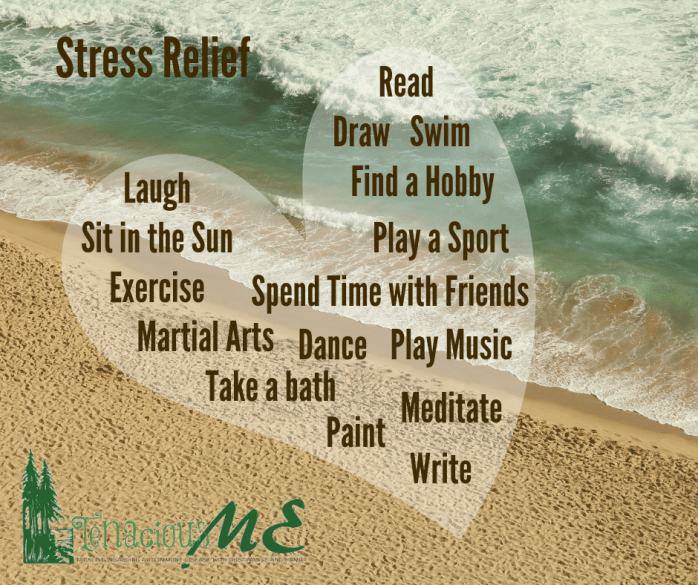
The second most recommended key to healthy stress management is perhaps a bit tricky for many chronic illness sufferers. After all, for many of us exercise aggravates existing conditions. That said, lovingly moving your body is also one of the keys to continued mobility as well as a great way to keep your stress in check. It is also a healthy way to react to the body dumping stress hormones in, no bears in your woods to run from no problem, use the hormone spike to run for fun. Unless running hurts or is a no for your particular condition, then perhaps consider getting the blood and hormones cycling through in a gentler way, say with a brisk walk, a swim, or some time on a recumbent bike. (Never run from a real bear, one should only run from metaphorical bears.)
Nutrition
The third key we are diving into for stress management is nutrition. The saying you are what you eat is, unfortunately true. What goes into your body will have a huge impact on how that body behaves. Everything from our weight to our sleep patterns and our ability to manage stress are impacted by the foods and beverages we choose to consume. If you are living on sugar and caffeine and your stress is through the roof, know that your choices are fueling the stress fire. Our bodies need nutrients to make the systems work properly. Without getting into a bunch of complex chemistry, its enough to understand that every action your body takes from beating your heart to moving water into and out of your excretory system requires the movement/binding/presence of specific molecules. If the things your body needs are not being provided it will either fail to complete that process, or more often, get creative with what it has. This can lead to depleted resources and a poorly running system. A poorly running system will give everything it has to the life continuing aspects of your body, keeping that heart beating and lungs working, after that it is all about prioritization. Unfortunately (or fortunately, I’m never sure) our bodies can function pretty well with unbalanced stress hormones on board, making it a non essential fire to put out as far as the brain is concerned. In fact, if things in the body are particularly critical, the stress response may be considered just another alarm to a brain trying desperately to please its cohabitants with whatever can be extracted from Doritos and lattes.
Healthy Relationships
Something I believe should be on every list for healthier living, healthy relationships with the people we choose to spend our time with are essential to stress management and our overall happiness in life. If you are hanging around with people who drive you crazy, stress is inevitable. Spending more time with the people who allow you to get out of that head space and enjoy moments will always leave us in better spirits, and with measurably lower stress levels. Focusing on building those positive relationships and letting go of or limiting your exposure to the ones who drag you down will find you in much better shape stress-wise, and you will also be building the right kind of tribe to get you through life in good company. Essential for everyone, perhaps doubly if you are living with a chronic illness or two.
Talk It Out
Let’s face it, sometimes all the stress management practices in the world cannot outweigh the very real weight of a stress filled life. Especially when the things we are going through feel too big to handle. You may have caught on by now but that old saying ‘that that doesn’t kill me only makes me stronger’ is a crock of shit. Plenty of things leave us standing but worse for wear. Shattered yet functional. While it certainly takes strength to carry on living a normal looking life when you feel like you are barely hanging in there, it definitely isn’t building you up. Don’t allow life to drag you under all that stressful reality. Find someone who you can share those burdens with. Everything gets smaller if you get it out of your head. Rather it takes the form of a therapist or weekly coffee with a trusted friend, we all need someone to share the heavy stuff with. A judgement free zone of understanding and acceptance of us right where we are, can be exactly what we need to gain the perspective to move beyond something that has us trapped in flight or fight mode. Reaching out to people who have been there and done that? Absolutely priceless.
Relaxation
The final key to stress management, and probably the most obvious, is taking time to relax. When life is running you over with stress this idea may seem impossible, laughable even, but it is also essential. Finding time to do the things that bring you calm in the middle of a stressful situation can bring clarity and calm,which lead to clearer thinking and better decision making, and perhaps less stress down the road. Taking time to relax when you are not trying to put out a fire, is even more beneficial. In a relaxed state our bodies function more efficiently. Our heart rate and respiration rate drop, muscles release tension, and everything from brain function to digestive processes run more smoothly.
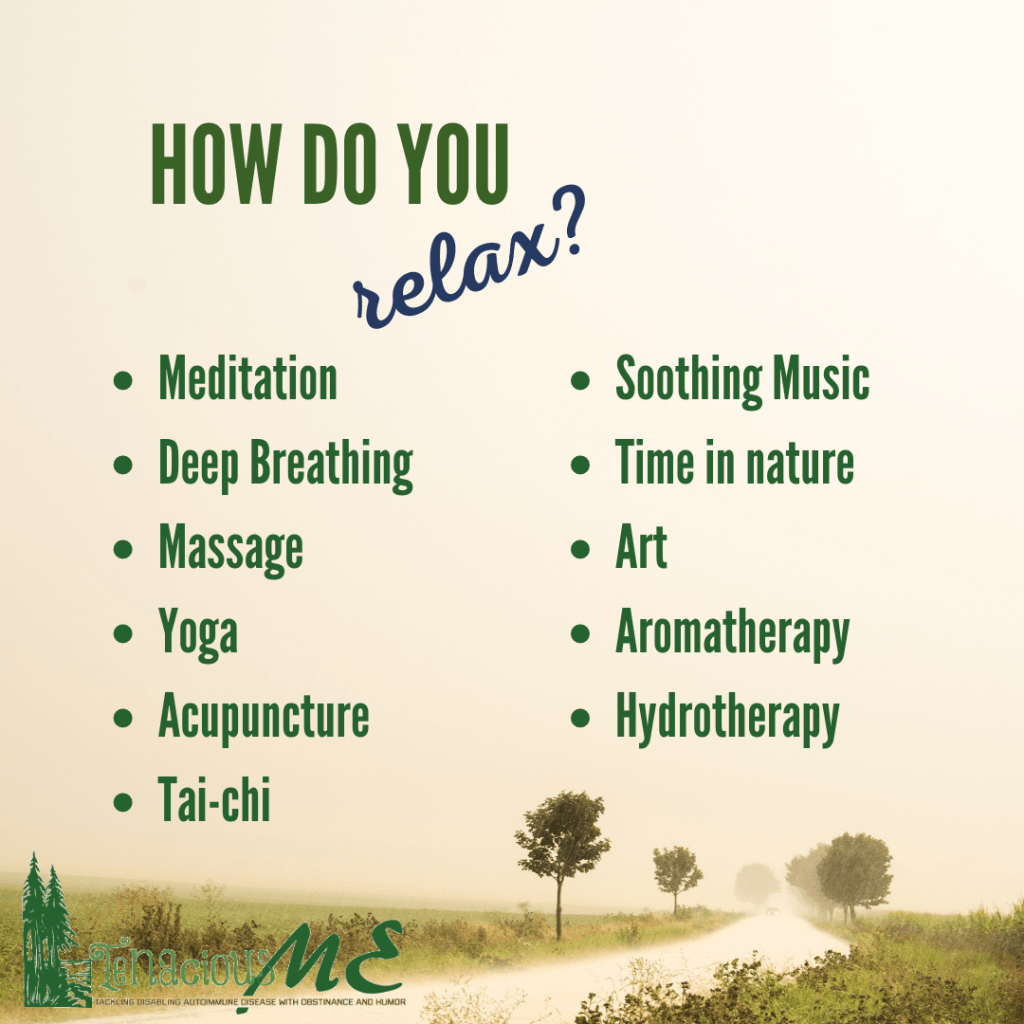
While yoga and meditation are probably the things most often thought of for relaxation, there are a wide variety of techniques that help people feel more calm. Which method(s) you choose will depend on your personality and what feels relaxing to you. If yoga hurts and distracts you, it isn’t likely to also be your type of relaxation. Perhaps your relaxation looks more like strolling quietly through nature or sitting with a warm cup of tea and gazing into the distance. As the sole resident of your brain, only you will know what brings calm to your mind and body. If you don’t know what that is yet, try some of the following.
Stress may be inevitable, but living in a constant state of stress doesn’t have to be the norm. It shouldn’t be the norm. Taking a bit of time each day to care for ourselves properly can help protect us from the long term impact of a stress filled life. Knowing stress feeds disease activity and may steal literal years from your life, it is worth the effort to manage it well.
Like what you read? Show me some love, give it a like, share with a friend.

Best Gifts for Rheumatoid Arthritis 2021 Edition

We polled 100’s of RA patients to find out what tops their 2021 holiday wish list. Here’s what they asked for! From gifts to keep them warm and toasty to gadgets that will help them get things done, our readers had a ton of great ideas! Read on to find out what your arthritic loved one would be overjoyed to unwrap this year!
The number one item on the wish list of RA patients this year, health, healing and relief. They are tired of doing battle with their own bodies and just want their old lives back. They want to be well. They long to be able. That longing for healing doesn’t stop at their own bodies, they also ask for healing for those they love, and for our world. Unless you happen to possess real magic, health is probably not something you can deliver this year, so what can you do? You can offer them help, understanding, kindness, and some lovely gifts to help them feel a bit better (or at least more capable).
Coming in hot on the heels of wishes for health and healing, were pleas for help. Our readers are exhausted, overwhelmed and stressed out by the upcoming holiday season. The best gift you can give, help getting through their to-do list. Offer to assist with cleaning, cooking, or gift wrapping. Want to really wow them? Spring for maid service to get their home shipshape and give them the gift of being able to devote their energy to other things. Anything you can do to take some of the burden of holiday preparation from them will be greatly appreciated.

No time to give before the holiday? No problem, your chronically ill loved one could use help year-round. Time to print a coupon book filled with offers to help with the housework, cook or bring food, gentle hugs are also appreciated.
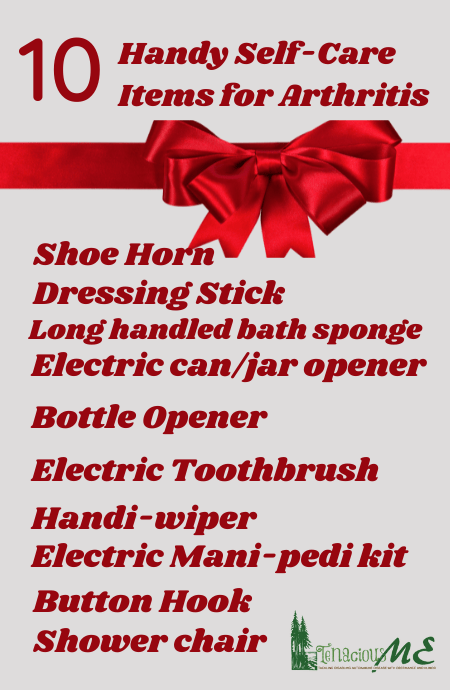
The next most requested thing on the list was also not a thing…mobility. Your loved one with RA longs to be able to do whatever it is that they enjoy doing. They also want to be capable of caring for their own needs. While you cannot fix their mobility issues yourself, perhaps you can help them reach their goal with a little creative planning and the help of some new tools. A quick search for ‘arthritis tools for (insert hobby name)’ will most likely get you on the right track for finding the things they will need to do the what they want to do. For help caring for themselves check out this list of 10 great self care items for arthritis sufferers.
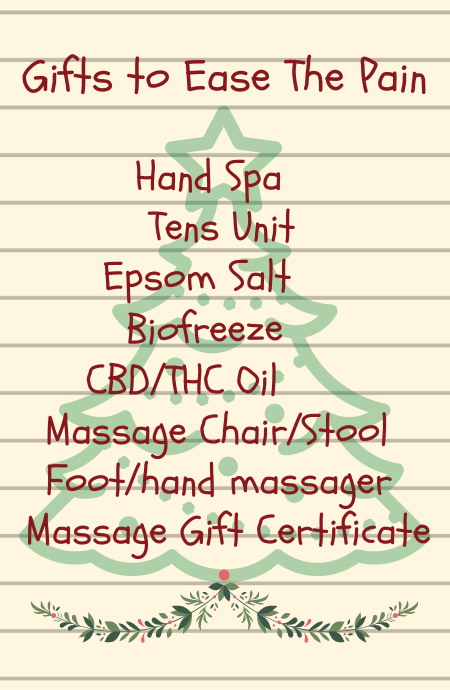
Speaking of suffering with arthritis, relief from pain and fatigue are also high on the wish list of those with RA. Chronic pain being one of the primary symptoms of rheumatoid arthritis, anything that will offer them a bit of relief would be greatly appreciated. The remedies that RA patients swear by include many mentholated creams, like Biofreeze. The most frequently asked for topical remedies were CBD oils and creams.
To chase away the pain, those surveyed also asked for hand and foot massagers, massaging chairs, and my favorite request, “a heating pad that covers my entire body”. Want to really make their day? A gift certificate for a massage is sure to bring them comfort and let them know you want them to feel their best.
For relief from fatigue, well sadly there isn’t one item to be bought that can help with that. It isn’t something caffeine can chase away. Vitamins won’t touch it. The only thing that helps with fatigue is rest. A little help from you or an invitation to do some deep couch surfing while you handle things are the best remedy you can offer.
Whether you give them a full body heating pad, a handy gadget, or the simple gift of your time and assistance, one thing is sure, choosing to give something from this list is sure to let them know you understand and wish for them to feel better.
Happy Holidays from the TenaciousME family.
Like what you read? Show me some love, give it a like, share with a friend.

Chronic Illness Holiday Survival Guide
Remember when holidays were times of magic and joy? You know, back before you were in charge of bringing said joy to the table? The good old days, when the turkey arrived at the table surrounded but trimmings with but the smallest bit of effort from you, gifts magically appeared under the tree while you slept. Before you knew just how much work goes into creating anything magical, when you could look forward to them with nothing but joy. Those were the days.
Staring down the barrel of what I have come to think of as the holiday gauntlet that is winter in North America, it is easy to become overwhelmed with everything that needs to be done to create that illusion of holiday magic. The hunt for the perfect gifts, hours in the kitchen prepping delicious foods that take longer than you imagine they will, cleaning, decorating, attending parties, visiting relatives, preparing for visitors…the list just goes on and on and on. Add in a chronic illness that limits your ability to keep up with “normal people” and it is easy to see why so many chronic illness sufferers feel like they are not up to the task. The truth is, they probably can’t do it all. The good news? They were never meant to.
Searching the history books (okay, I used google) and the brain of my history/anthropology buff eldest son, I have discovered something really important that all of the high holidays and feasts have in common. They are rooted in community. Each and every one of them began as a community celebration, a time to come together and share. Traditionally, the days leading up to those festivals were spent working together to prepare for the festivities, whatever they may be. The key word here is, together. Not one of the upcoming holidays began as a one woman sprint to do it all. Not one. Which leads us to the first step we will take for holiday survival with chronic illness.
Stop Trying To Do It All
Repeat after me, “this isn’t a one woman show”. Know how I know? You are preparing to celebrate with people, those people, should also be preparing for celebrations with you. Time to work on two skills everyone with chronic disease needs to master, delegating and asking for help. Start by assigning the things that really don’t need your personal touch to someone who can get them done. Yes, the wreath needs to hang on the door, no you don’t have to personally place it there. Sure, someone needs to run to the post office to mail packages, certainly doesn’t have to be you. Next, take a look at your to-do list, choose the hardest things on the list for you to accomplish, and ask for help. Invite your kids and spouse into the kitchen to help with the prep work, hand the vacuum to the teenager and let their version of cleaning be good enough for today, ask a friend to come help you dig out the holiday gear. You might be surprised how helpful your loved ones can be, once they know you need their help.
Simplify
While you are pondering that holiday to-do list, consider if you will, an alternate world where half that list doesn’t even exist. Lightens the load doesn’t it? What could you do with the time and energy you will spend at the neighbors’ annual party that you dread every year but attend anyway because it is expected? Would ordering the cookies from the bakery leave you in better shape for attending the event you don’t want to miss? Consider the things you are expected to do, invited to do, and want to do, and make a plan that makes more room for the latter. It is okay to say no. Even during the holidays. Even to your family. Something many of the makers of magic seem to have forgotten, its is YOUR holiday too. It should feel like it!
Pace Yourself
Speaking of feeling like it, you will feel much more capable of surviving the season if you pace yourself. Trying to do it all at once will only lead to pain and failure, so set yourself up for success. Planning to space out the things you need to do will make you much more likely to get them done. Avoid the pain and suffering of an all night gift wrapping session by wrapping a few at a time over a week. Do a little bit of several different projects a day to avoid physical burnout. Remember that your daily energy and strength are limited resources and make a plan that respects them. Limping into the holiday feeling miserable because you overdid it getting there is not the goal! Enjoying the time with those you love, that is the goal here.
Don’t Forget Self Care!
With that goal in mind, be sure to leave time in your holiday schedule for self-care. This is no time to skip all the self-care rituals that keep you moving! If anything, it is a time to double down on self-care so you can find the energy to get through it. So, take the supplements, build downtime into that hectic schedule, take a nap, eat real food between all those lovely treats, and try to get some sleep at night. The holidays will be so very much more enjoyable if you do.
While there is no doubt that this holidays can be challenging to get through, it doesn’t have to feel like an uphill battle. Taking time to care for you, pacing yourself, delegating, asking for help, saying no, and paring down on the things you have to do will make it much less of a battle. Save the battling for the really tough stuff, like washing your hair.
What gets you through the busy times in life? Drop your holiday survival tips in the comments! Looking for the perfect gift for a loved one with chronic pain/arthritis? Keep an eye out for the 2021 gift guide!
Like what you read? Show me some love, give it a like, share with a friend.

Finding your new normal

Remember the good old days? The days when you could do anything you pleased without having to worry about the fallout? You know, back before everything became a massive daily struggle? When you could make a list of things you wanted to do, and actually do them? Those were the days huh? I miss those days. The days before chronic disease started calling the shots.
If you thought I was referring to pre-pandemic life, it’s no surprise. Much like the new national normal, the new normal of a person who has been handed a chronically debilitating disease diagnosis is often a bleak, lonely, shadow of the old normal with a big spoonful of suck and a side of struggle. It’s not a good time. I don’t recommend it. But,much like the 2020’s, if you’ve found yourself afloat in the sea of suck that is chronic illness, the only way through is through. There is no turning back, no time out, no rewind. It is what it is. So now what?
Now, as you’ve probably heard, its time to find your new normal. Before you panic thinking about recent examples of new normal and how much that tends to suck, take a deep breath and remember, this is still your life, you call the shots, and change is good. (No, really,I promise.) If there is any hope at all that you will find your way out of this sea of suck and back to the shores of something that resembles a normal life, you are going to have to make some changes. After all, doing what you have been doing has brought you here and, as you may have guessed, the sea of suck is a whirlpool, its going to take some effort to pull away. The great news is, you absolutely do not have to row this boat alone. In fact, now that the disease has a name and treatment options, you can build an entire team of doctors and support staff to help get you to that new normal.

First, the hard part. It’s time to consider what you are going to have to let go of to get out of here. Some of it may, unfortunately feel like precious cargo. You are going to have to let it go anyway. I’m sorry. Letting go of the things you used to do is one of the most challenging aspects of living well with chronic disease. “Used to be able” has become a jagged bit of metal you will only wound yourself with. No good comes of wallowing in “I used to be able”. Thank it for being there for you when it was and bid it a fond farewell. Something new will fill that void, promise. You may no longer be able to do everything, but what you choose to do will be that much more precious because you have decided it deserves to stay in the boat.
Now, the only thing left to do is chart a course. (That’s pick a direction, for you non-seafaring folk)
What do you want your new normal to look like?
What parts of your old normal do you want to keep?
Which parts are you stuck with?
Make a list, a dream board or some other visual representation of the life you wish to be living. Something you can turn to when the going gets extra rough and you are struggling to remember what you are even trying to do. Now is a good time to consider some of the precious cargo you tossed as well. Is there a version of that you can do? Maybe you had to let go of the job you loved because it was destroying your feet to be on them so much…could you do it part time instead? Is there a way to do what you want in smaller, easier to manage chunks? Can it be adapted to the new you? If you think it can, add it to the wishlist.
Now, step back and take a look at your new normal, not nearly as bleak as you thought it was, is it? Okay, so maybe its only the plan for your new normal. Getting there is of course an entirely different story. Not sure where to start? Check out our Living with Autoimmune Disease section, learn Five Keys to Managing Your Autoimmune condition, or browse our blog articles for more helpful tips and information. Need support? Pop on over to the Chronically Tenacious group on facebook for understanding and community.


 Tenacious ME